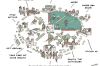
 15 Minute City DiagramCredit: Creative Commons
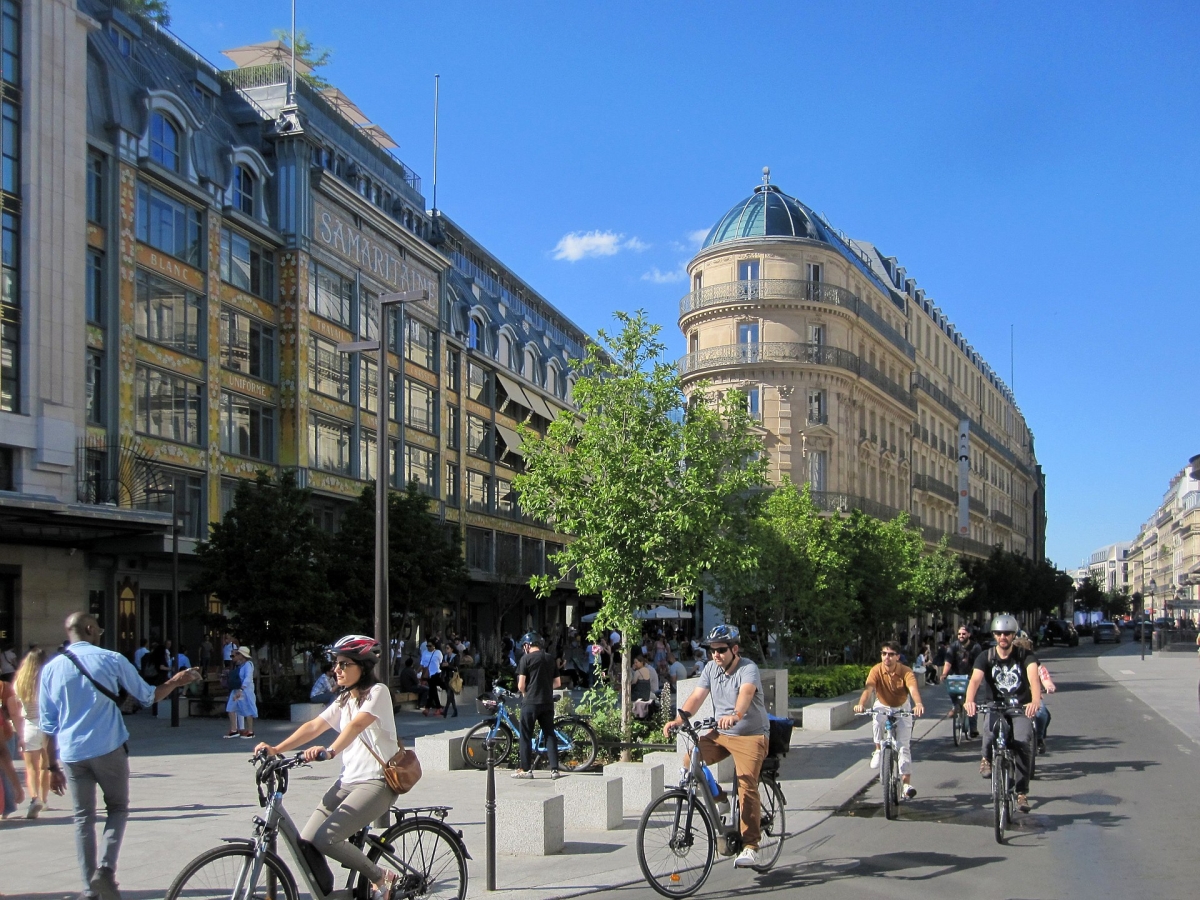



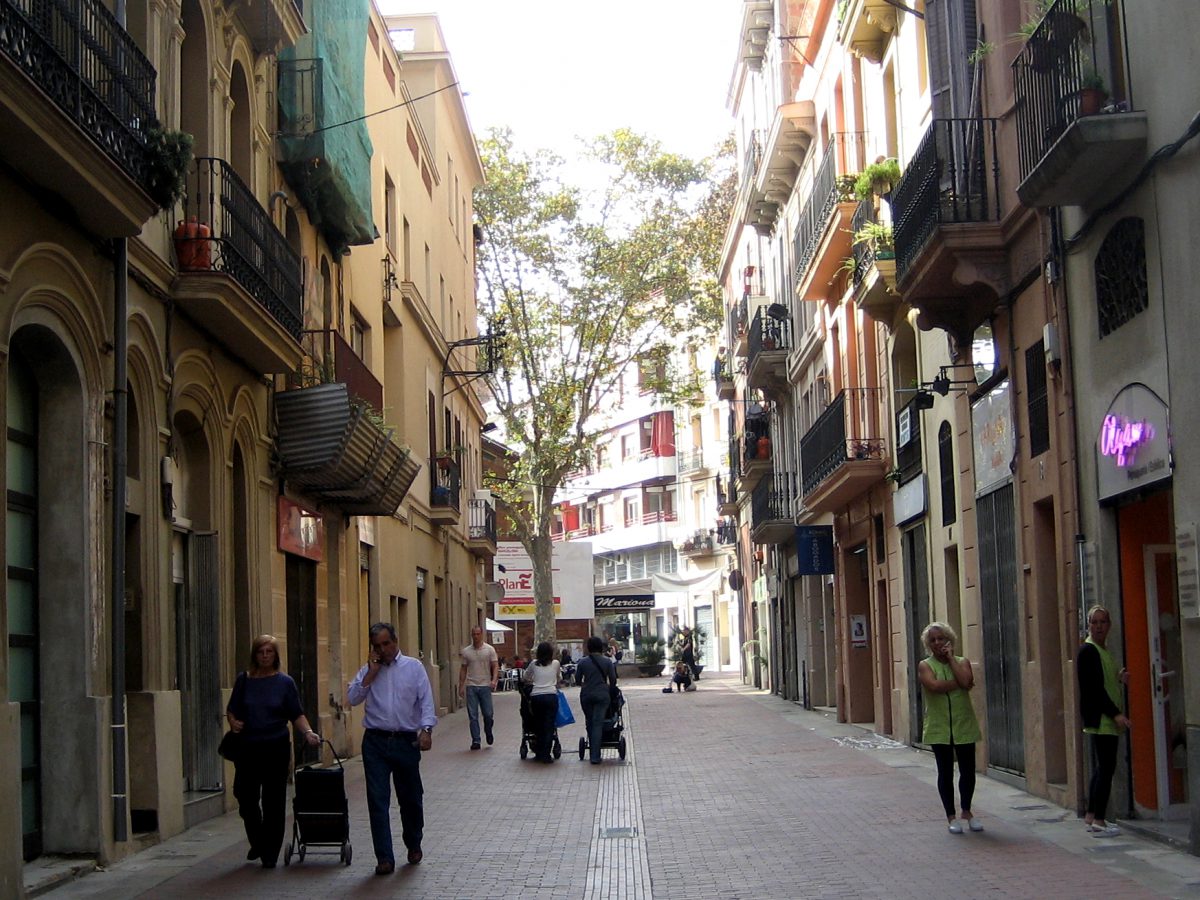





A metropolis where most human needs and services are located within a short travel distance from one’s home promotes active transportation (walking and cycling), physical activity, social connections, and positive economic and sustainability outcomes.
A 15-minute city is comprised of residential and commercial areas guided by the following principles:
Proximity – availability of basic needs and amenities within approximately:
- a ¼ mile radius or 5-minute walk – local shops for groceries, household items and services, elementary school, houses of worship, and public green spaces.
- a ¾ mile radius or 15-minute walk – an urban center, full range of services such as a pharmacy, grocery and general store, public school, mid-sized employers, and access to public transit.
- a 3 mile radius or 15-minute bike ride – cultural, medical, and higher education facilities, high school, major employers, and regional parks.
Density – minimum number of dwelling units within: ¼ mile radius = 1,000 units; ¾ mile radius = 9,000 units; 3 mile radius = 145,000 units.
Diversity – mixed uses with housing options to accommodate various socioeconomic levels.
Note: the 15-minute city is not a fixed concept and should be adapted to specific needs, characteristics, and climates. Adaptations include the 20-Minute Suburb and 20-Minute Neighborhood among others.