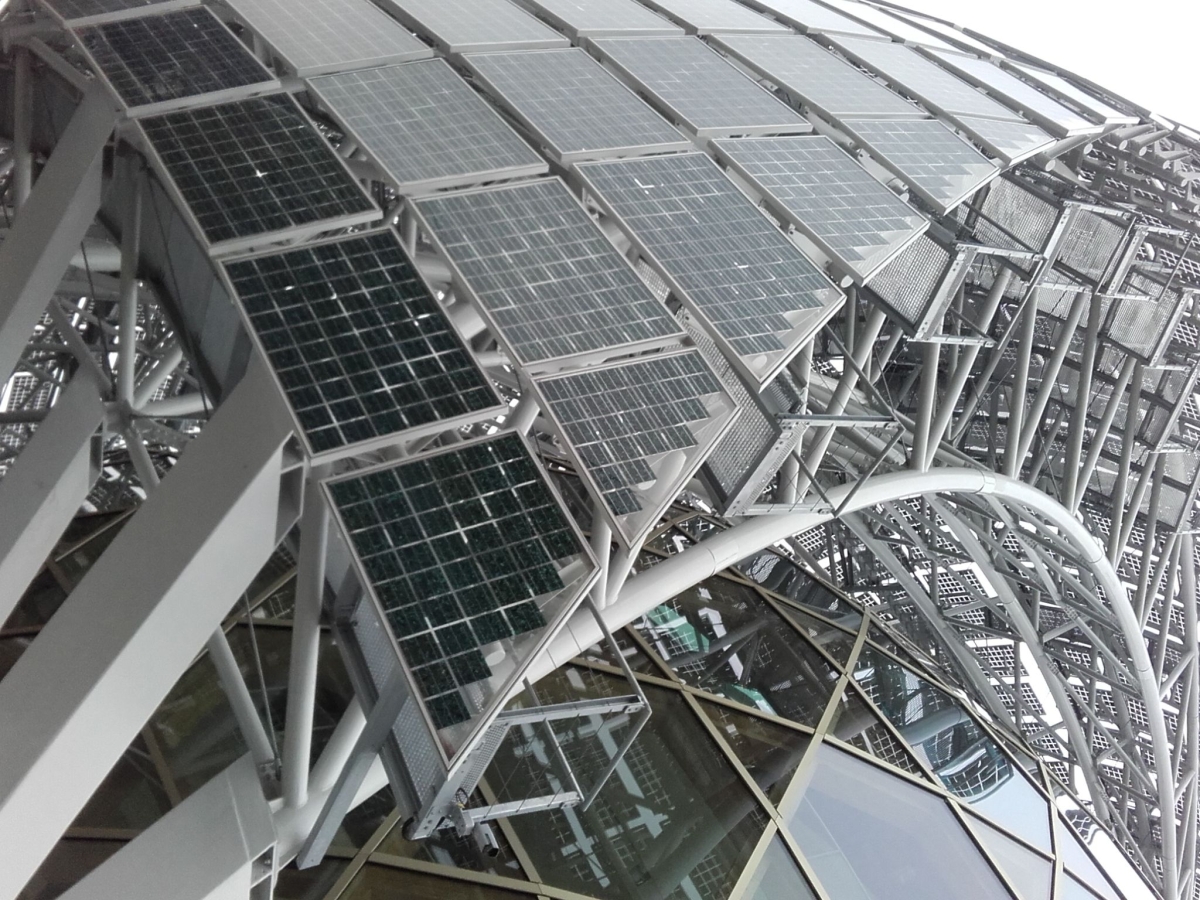
 Cité MusicaleShigeru Ban ArchitectsParis, FranceCredit: Baudin Chateauneuf


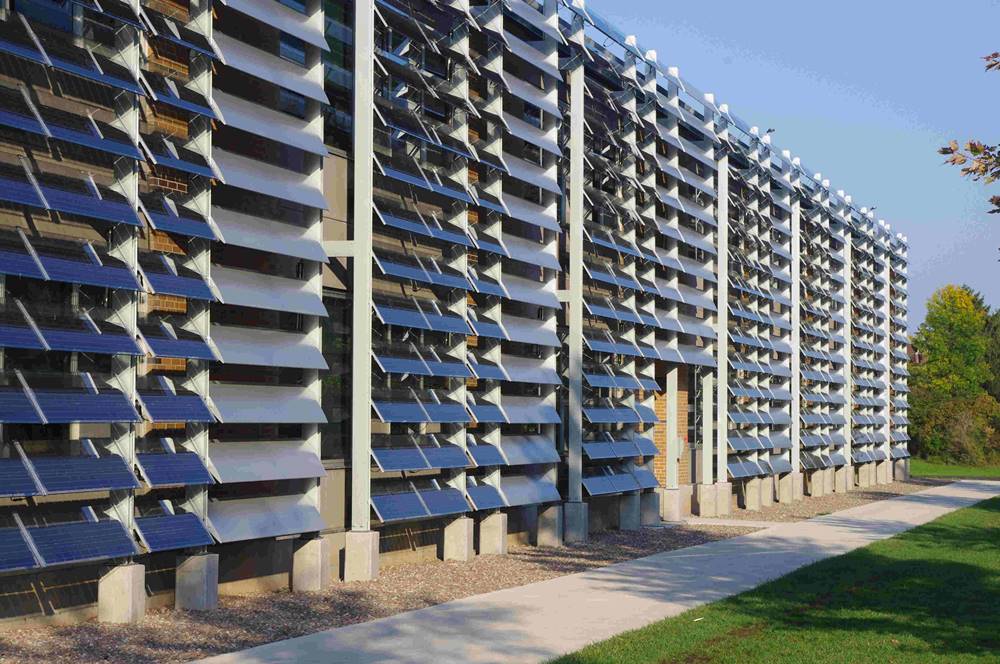
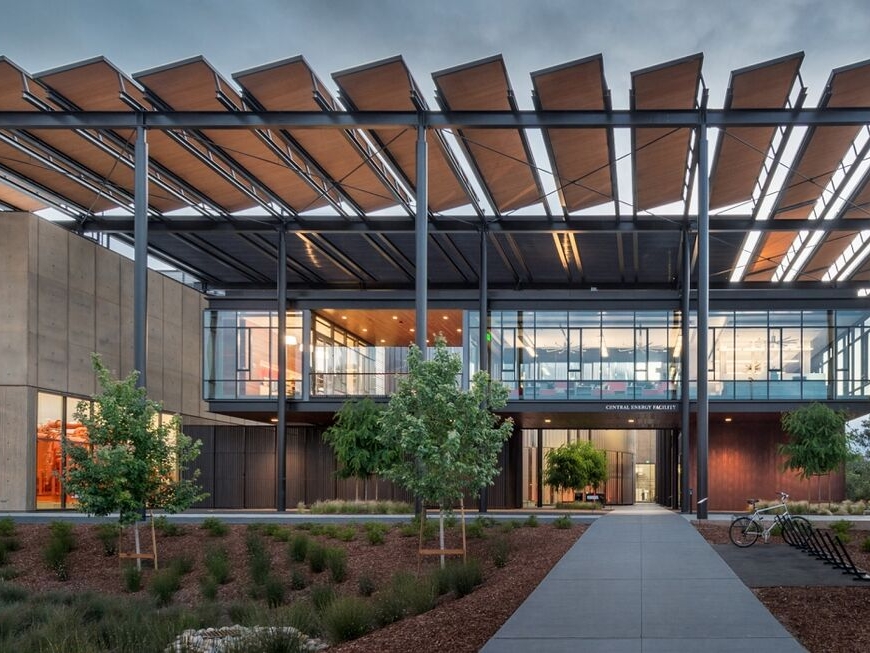


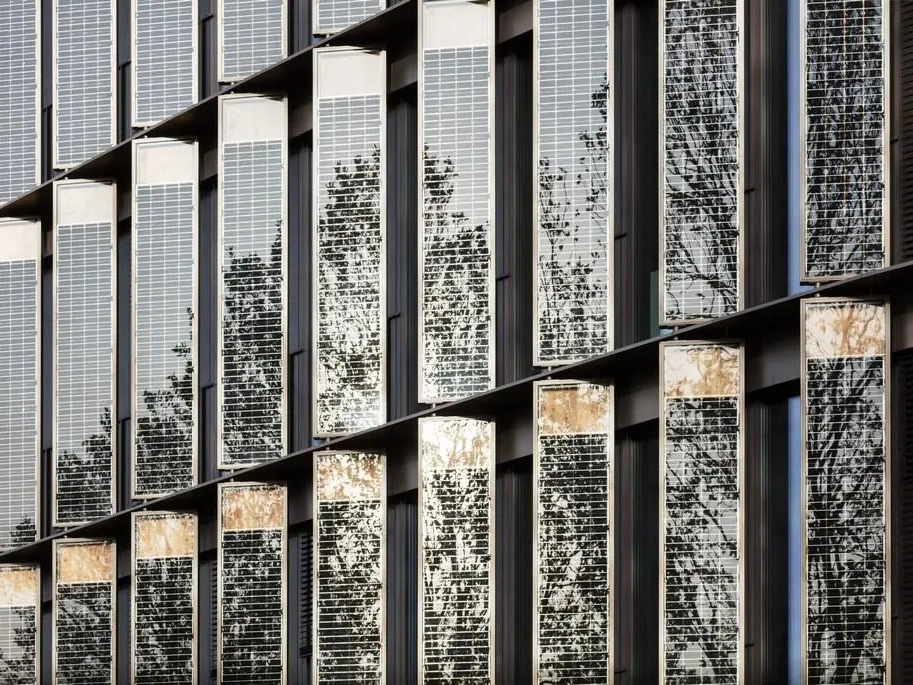





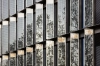
Building-integrated photovoltaics (BIPV) are solar power products that are designed as integral components of the building envelope, serving as both the building skin and generating electricity for use on-site or exporting to the grid without requiring additional land area.
BIPV can be incorporated in a new building and site, or as part of a retrofit. First ensure that your solar array will receive maximum exposure to the sun and will not be shaded. Opportunities to integrate BIPV in building design to generate electricity including:
- Rooftops – skylights and glazed roof areas for daylighting using semi-transparent thin-film modules or spaced opaque cells; roof tiles and shingles; awnings; and canopies.
- Facades –curtain wall view glass and spandrel panels, ventilated facades; and facade cladding.
- Externally integrated elements – horizontal/vertical louvers and shading devices; balustrades and balconies.
BIPV replace conventional building elements with materials incorporating photovoltaic technology that serve a dual function – generating electricity while also providing a structural component for the building. Another option, BPIV with thermal energy recovery (BIPVT), improves PV efficiency while simultaneously generating heat and electricity, with the extracted heat usable for low- or high-temperature applications.