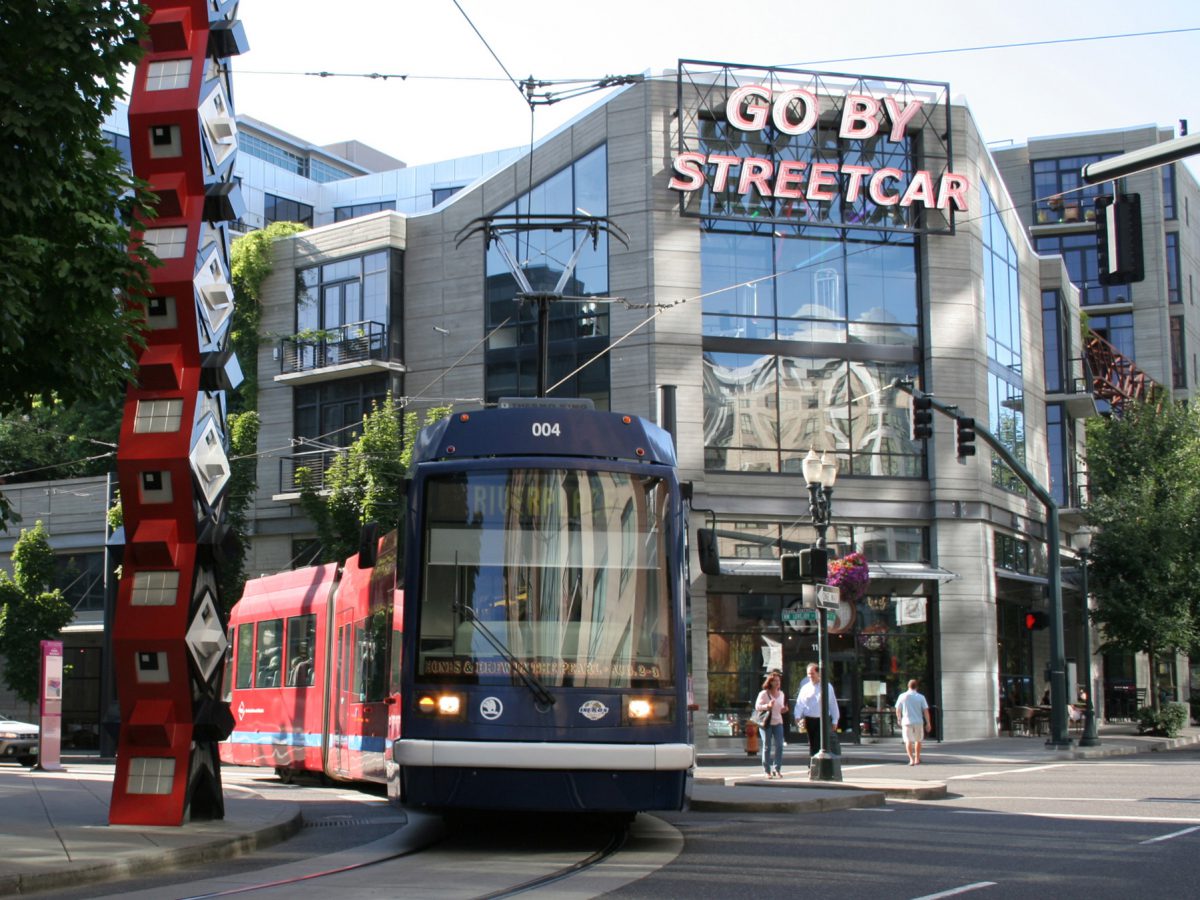
 Go By Streetcar
Portland, Oregon, United States
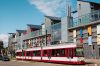
Credit: Patrick Dirden Photography. Licensed under Creative Commons.
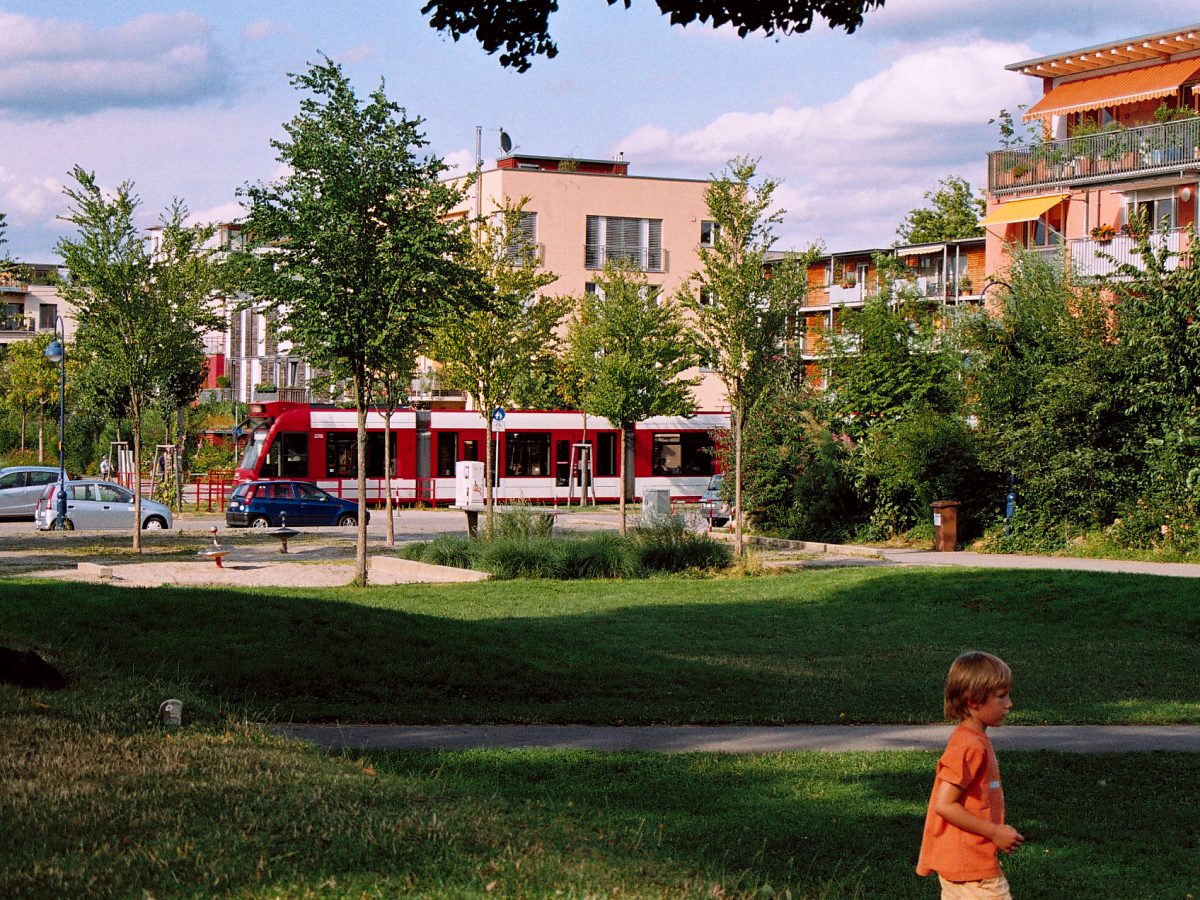

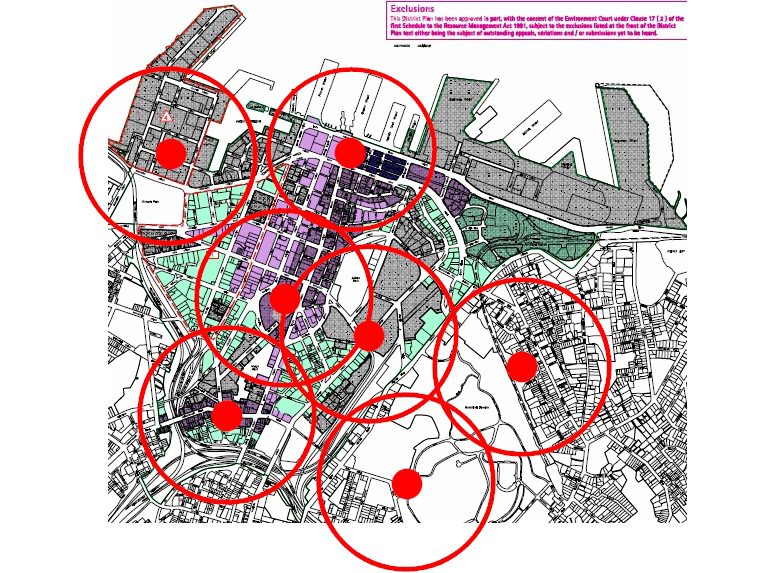
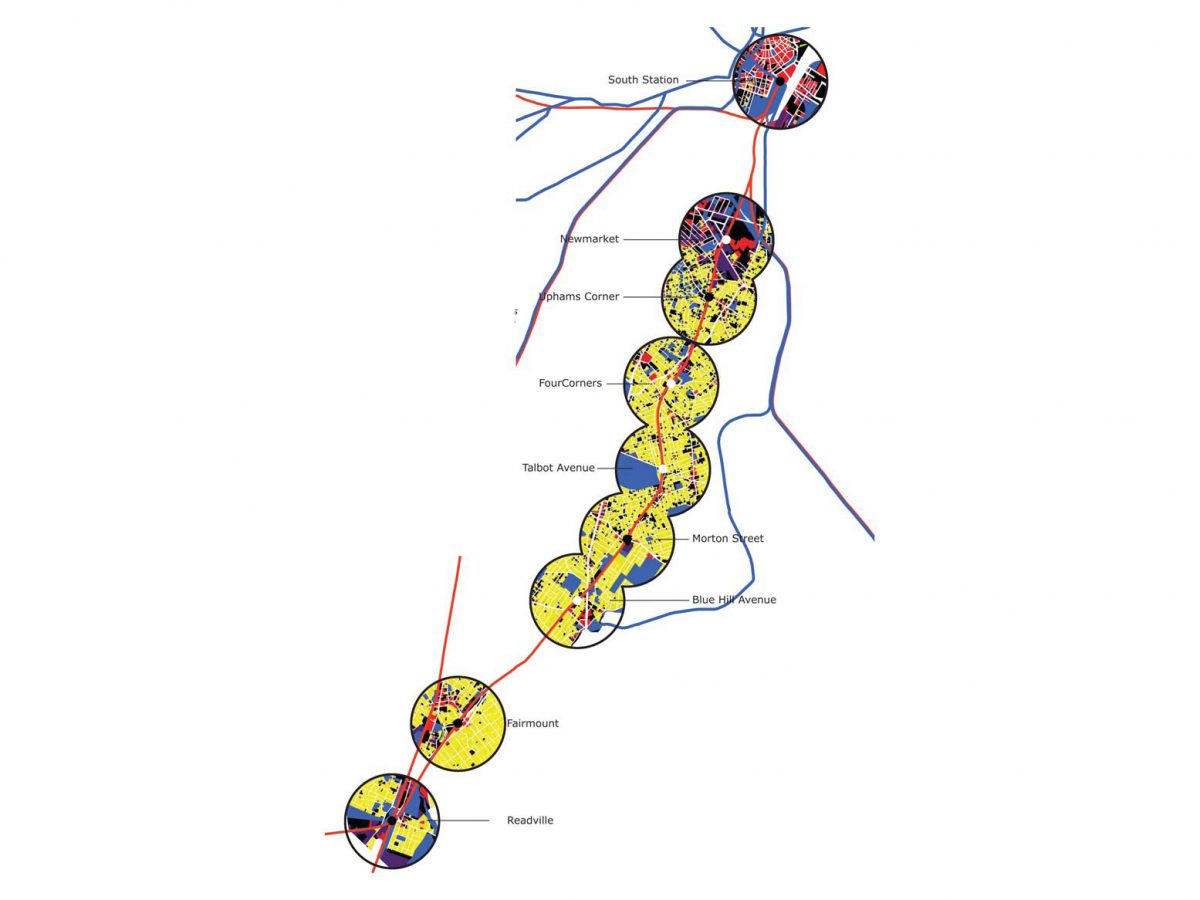
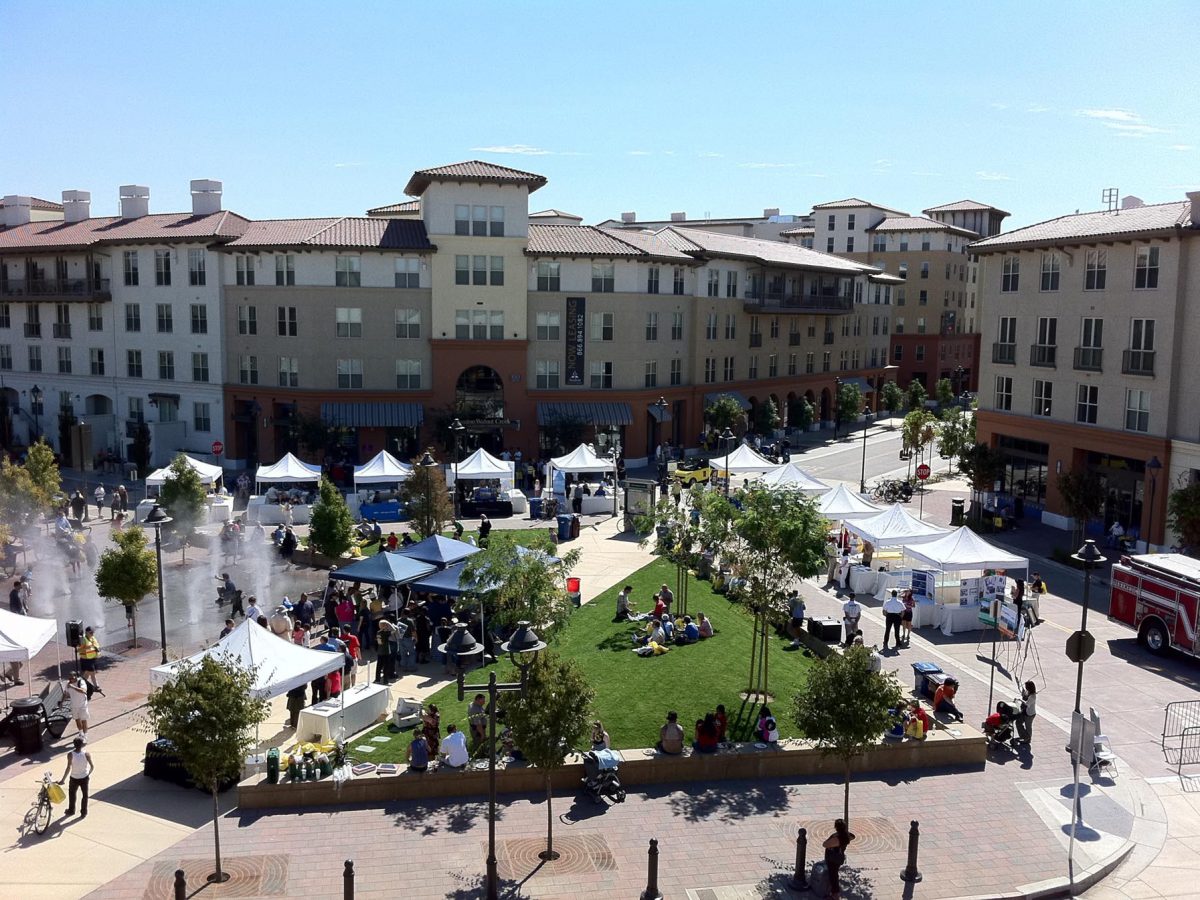
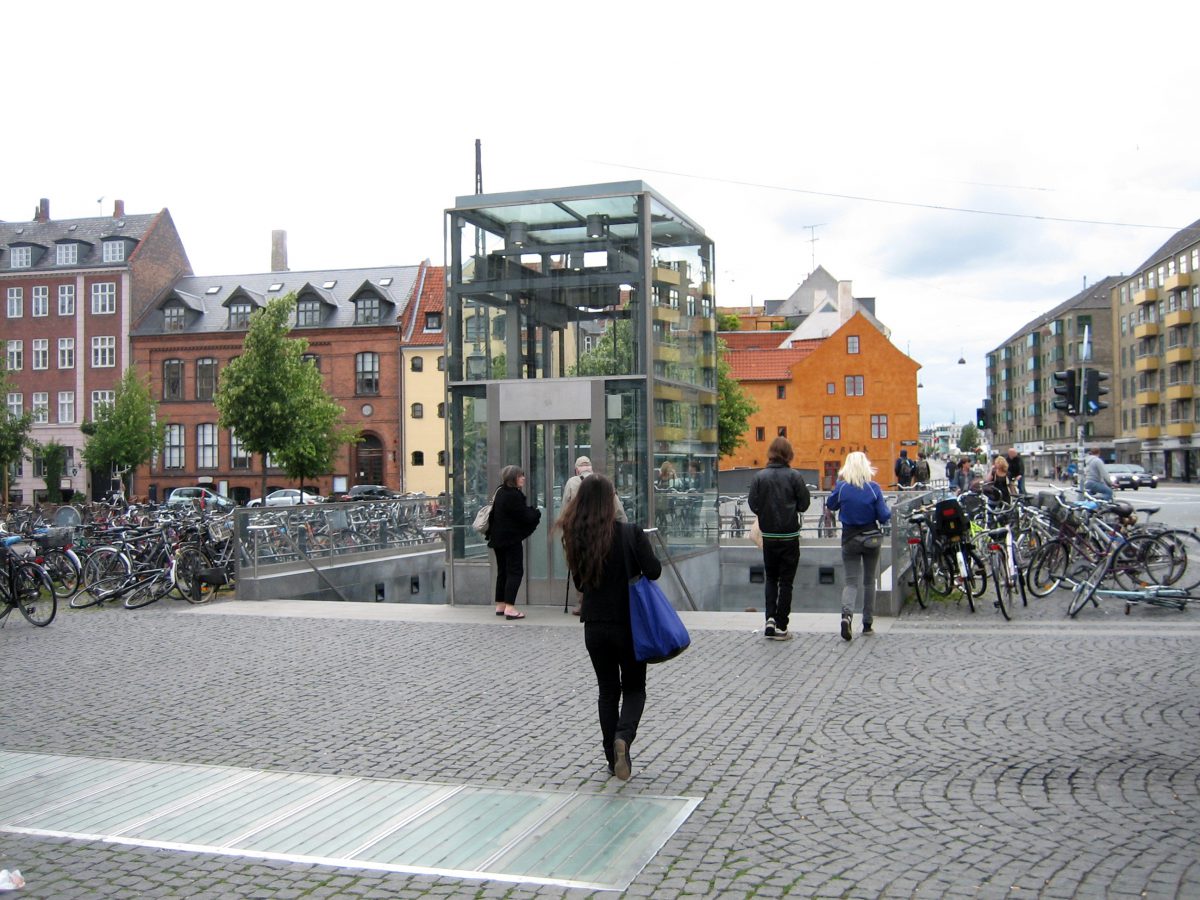

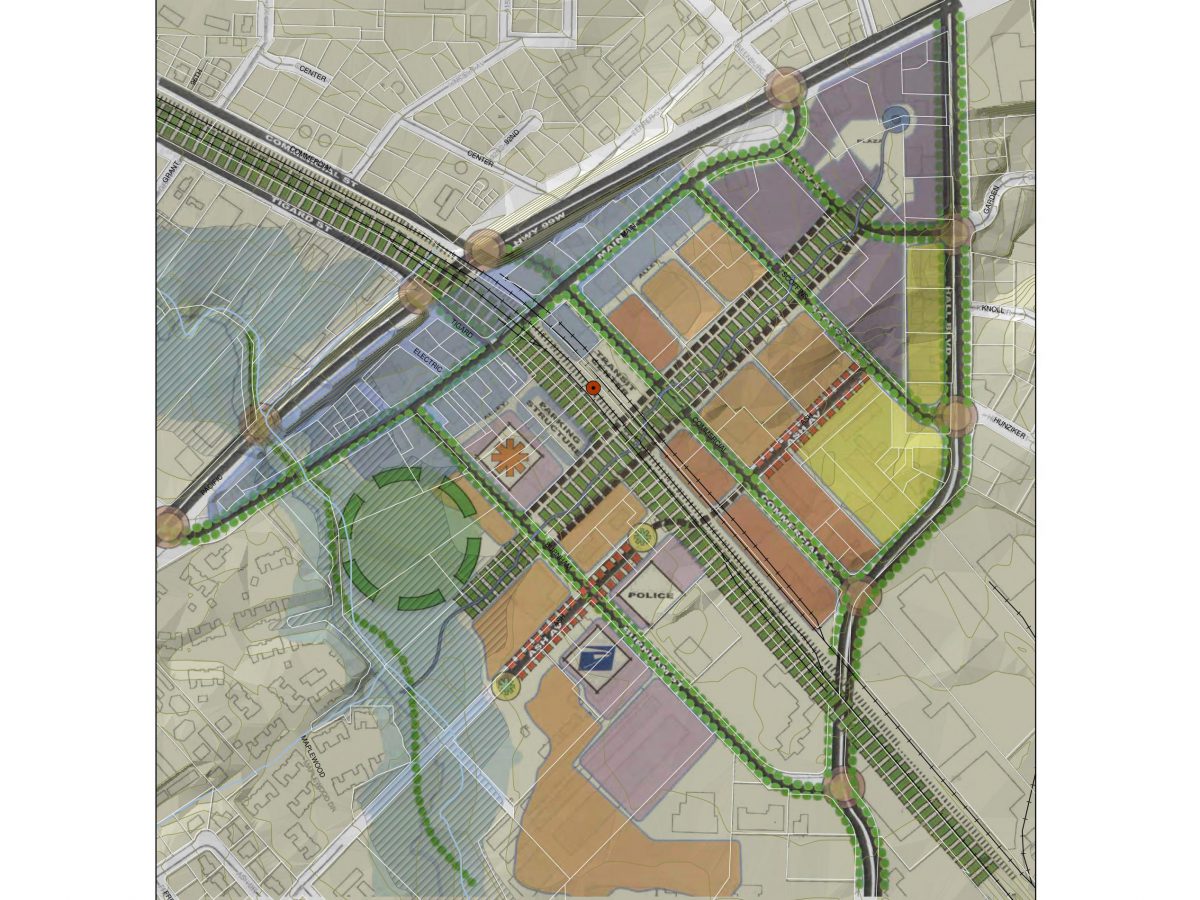
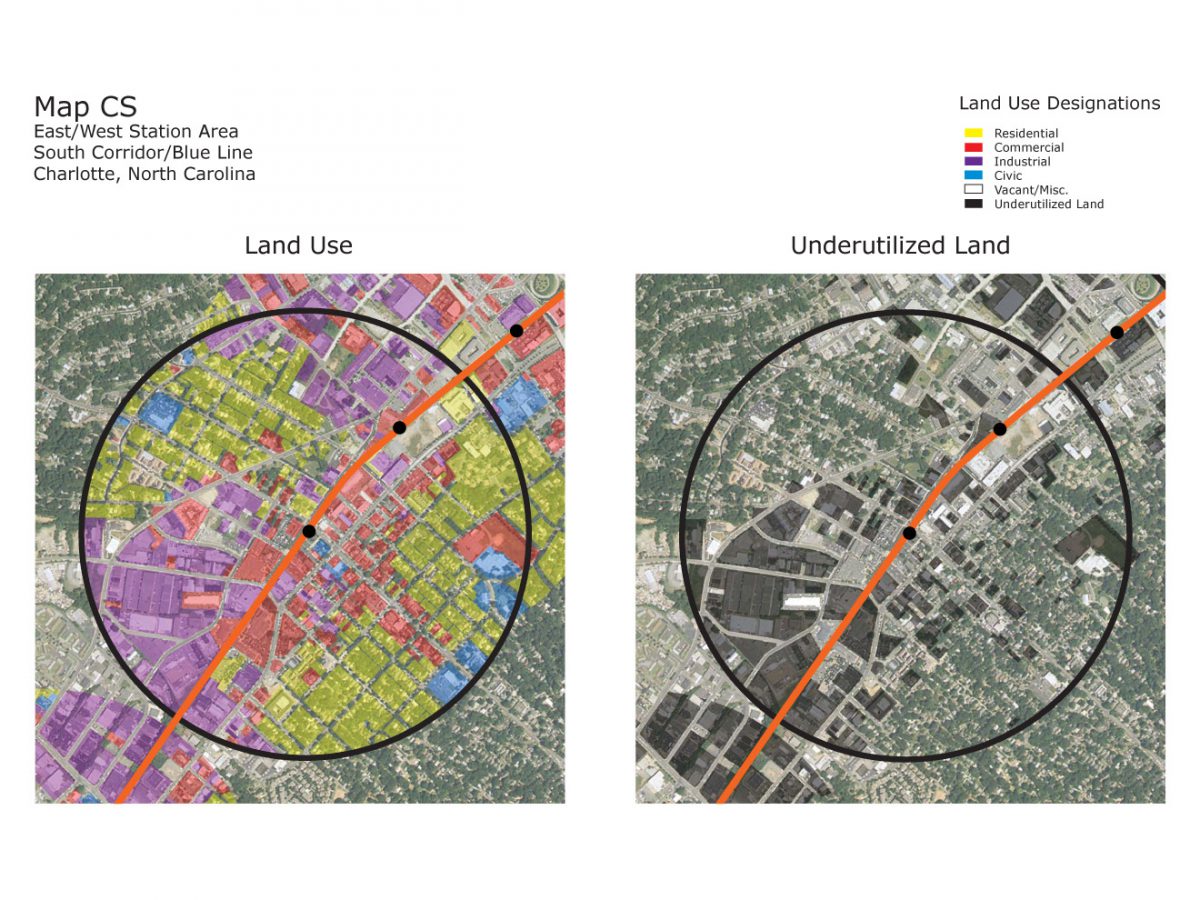

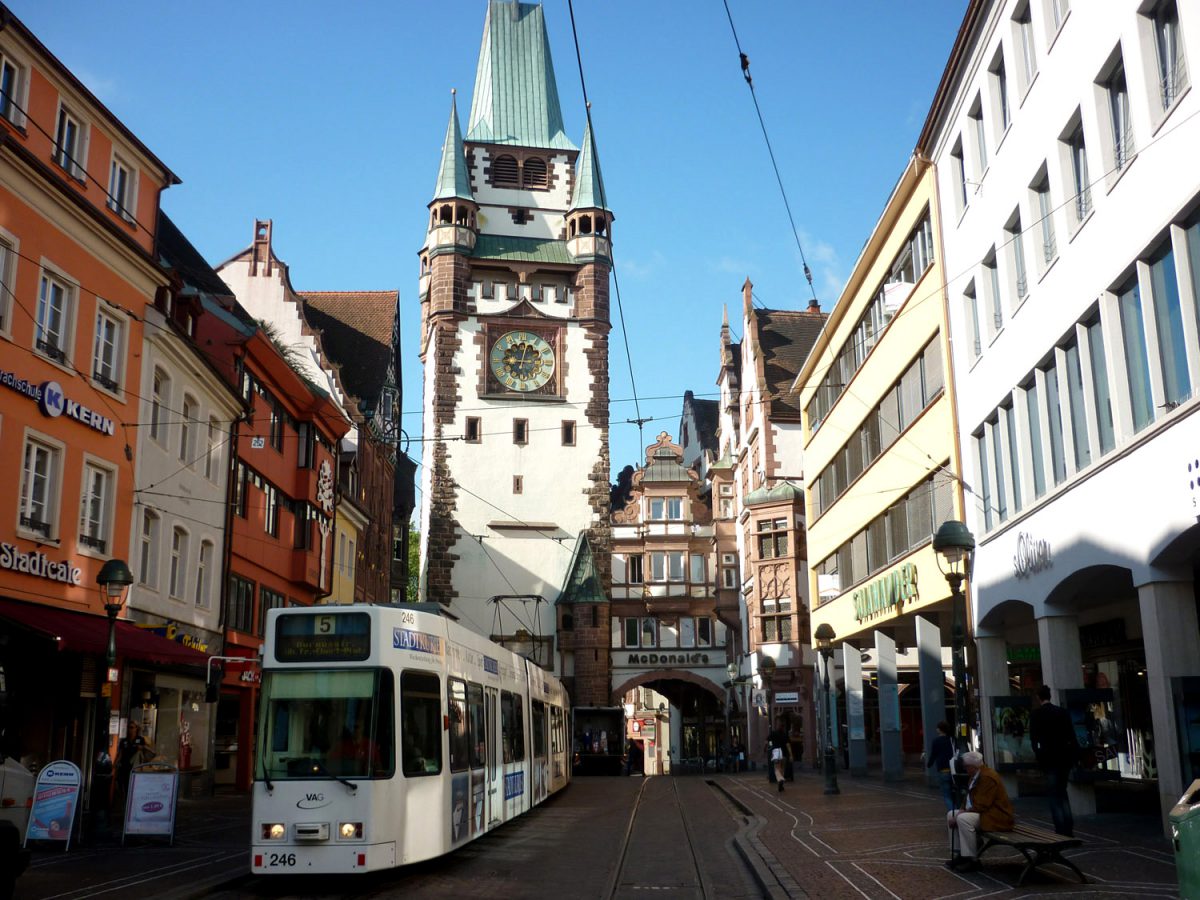
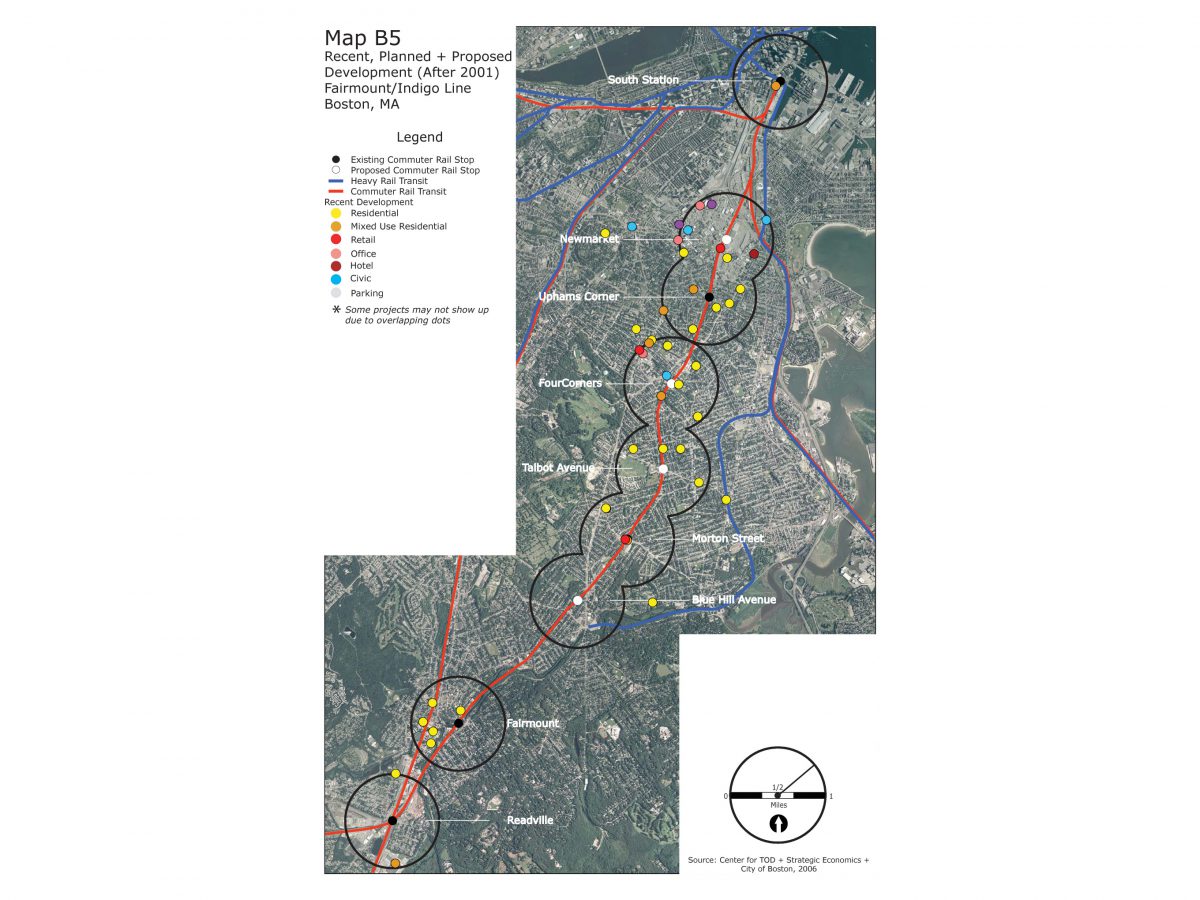
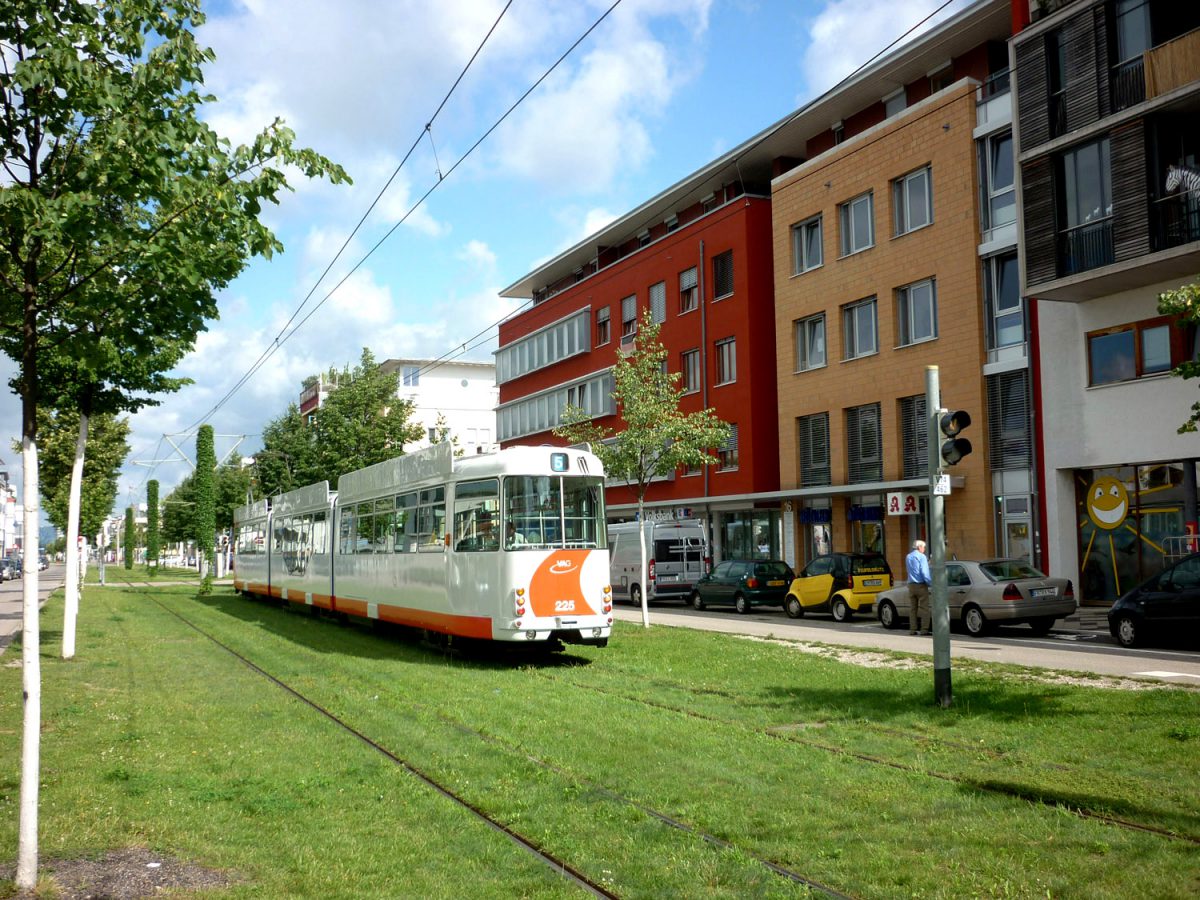
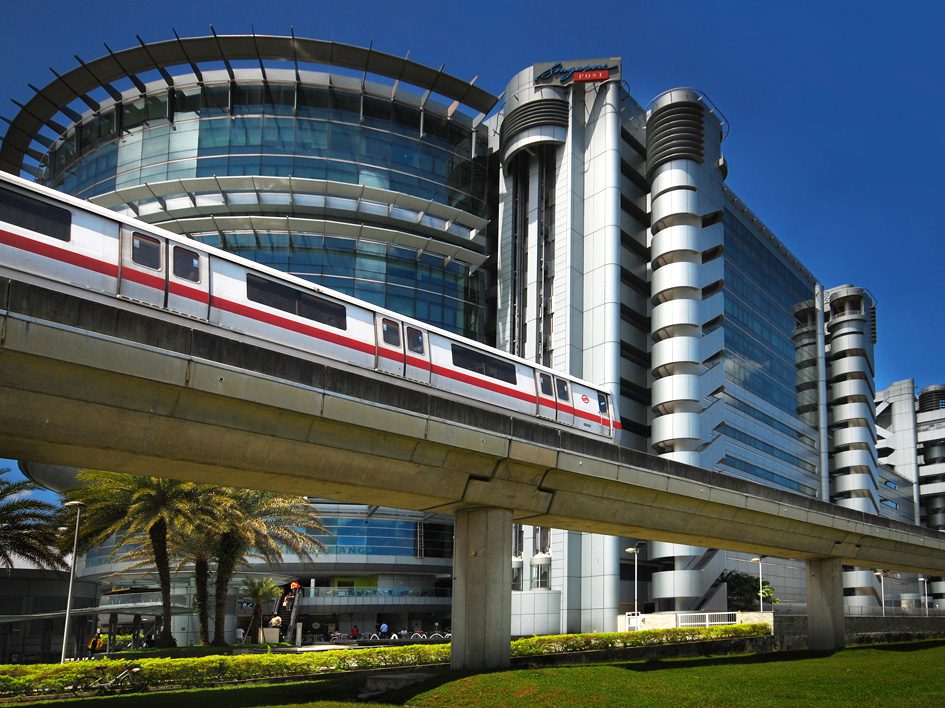

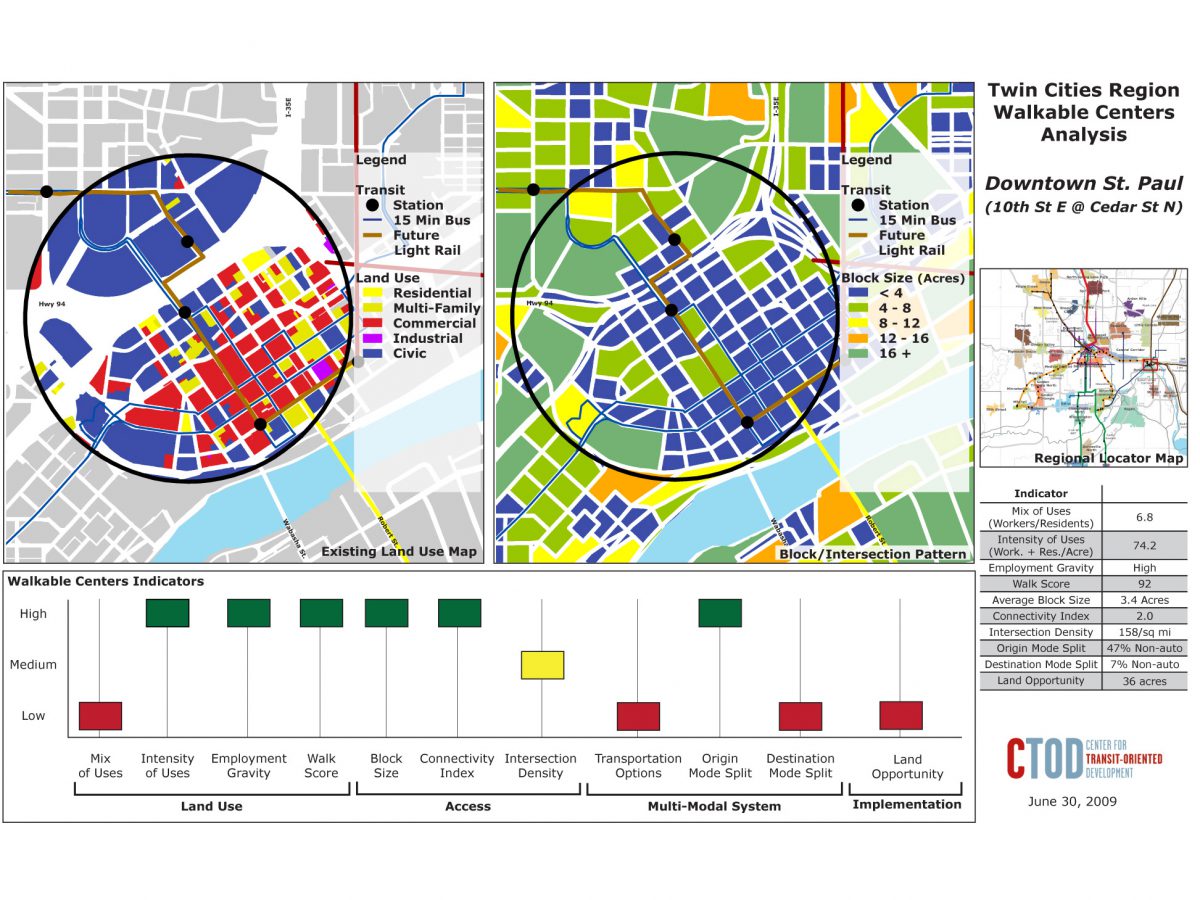
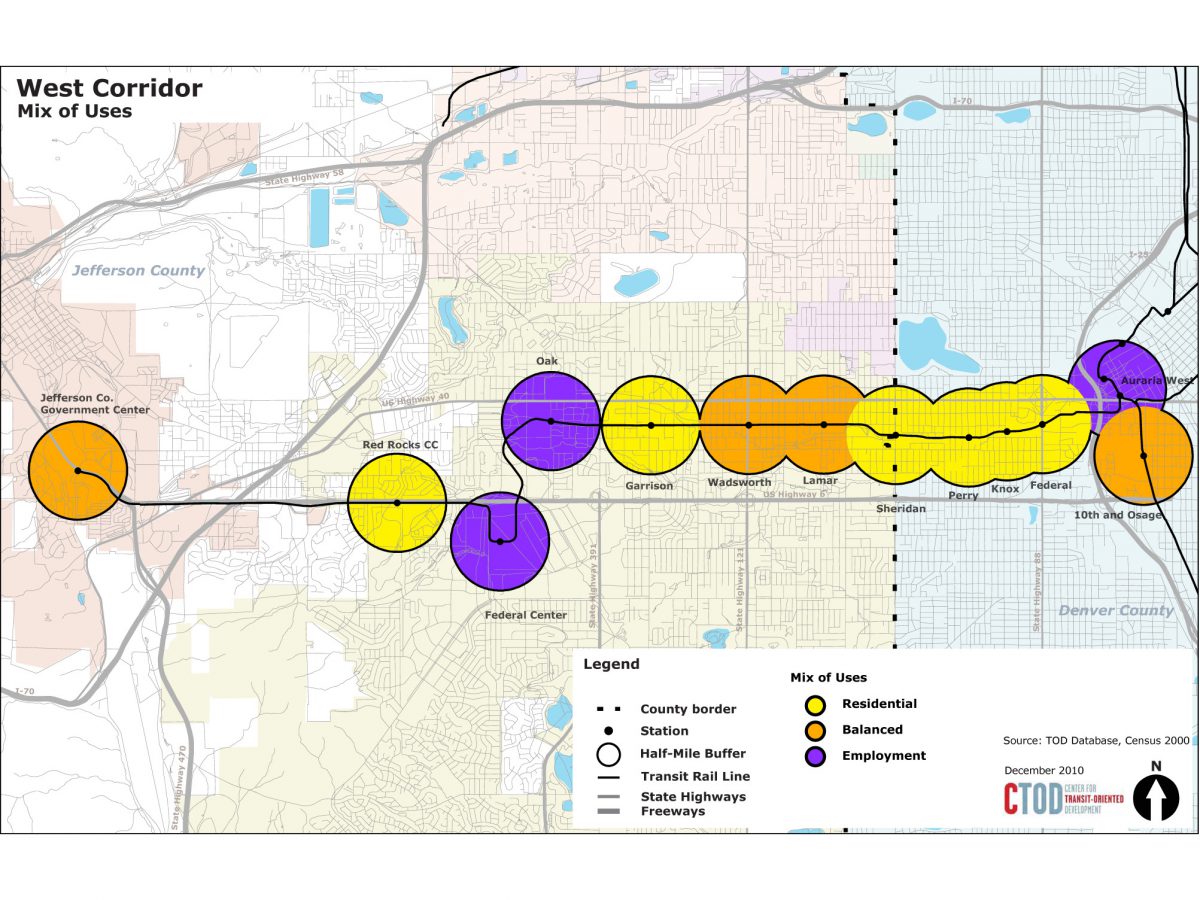











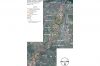


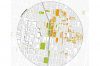
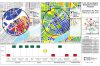
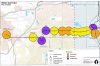
Transit-Oriented Developments are a mix of housing, retail and/or commercial areas and amenities within active transportation (walking or biking) distance of public transit.
Transit-Oriented Developments (TOD’s) are established within 400 – 800 meters (¼ – ½ mile) of public transit with areas near transit increasing in density. TOD’s conserve land, encourage walking and bicycling, while reducing infrastructure costs and energy consumption.
TOD’s are categorized according to the following types:
- Core – dense downtown cores of regional importance with two or more modes of high-capacity transit.
- Center – mixed-use residential and employment districts containing at least two modes of transit.
- Village – smaller centers of local economic and community activity with transit service.
- Destination – institutional and university centers, stadiums, and regional parks.
Incorporate health and wellness facilities (shelters, restrooms, safety, lighting, etc.) along active transportation routes. For detailed information on TOD types, see the 2030 In-Depth Information Page in under Tools + Resources.
Note: The TOD is not a fixed concept and should be adapted to specific urban needs, characteristics, and climates. Distances (walking and cycling) can vary with well-designed pedestrian/bike routes and networks connected to public transit (see 15-Minute City).