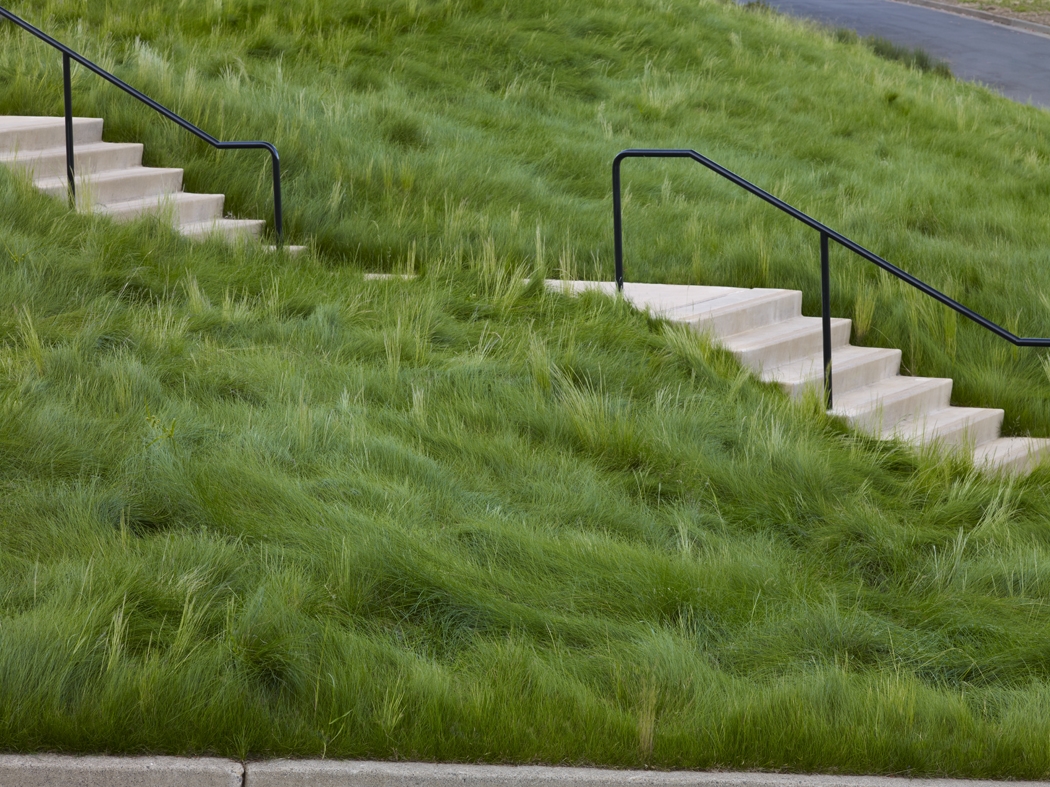
 Glenstone
PWP Landscape Architecture
Potomac, Maryland, USA
Credit: Iwan Baan


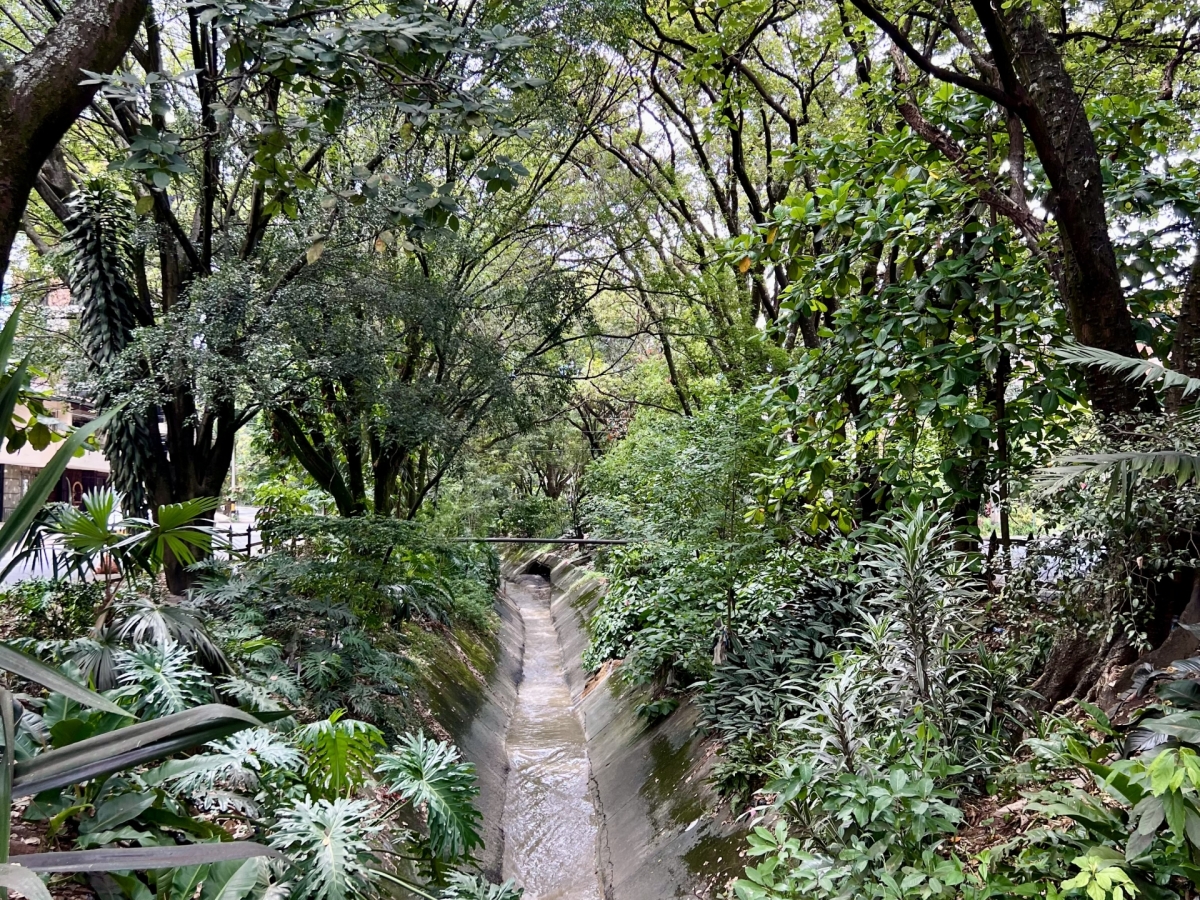






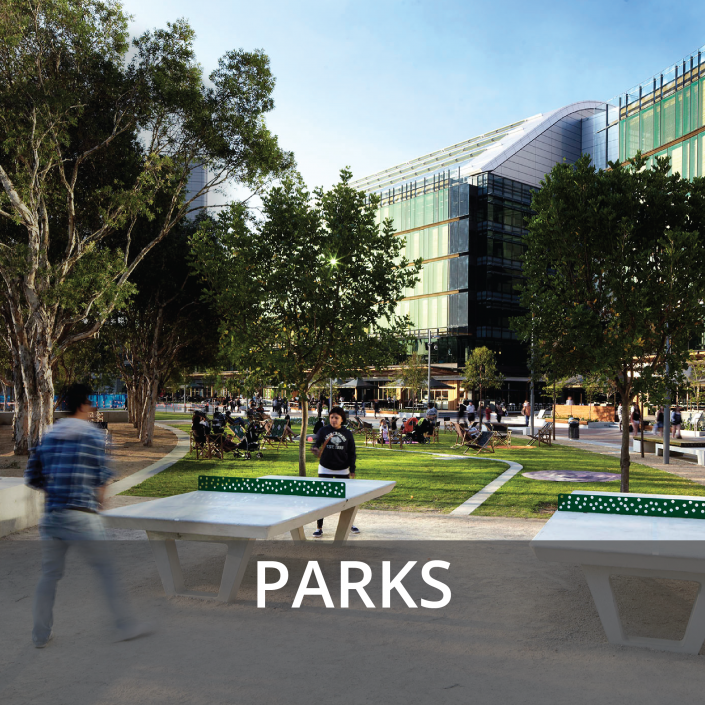
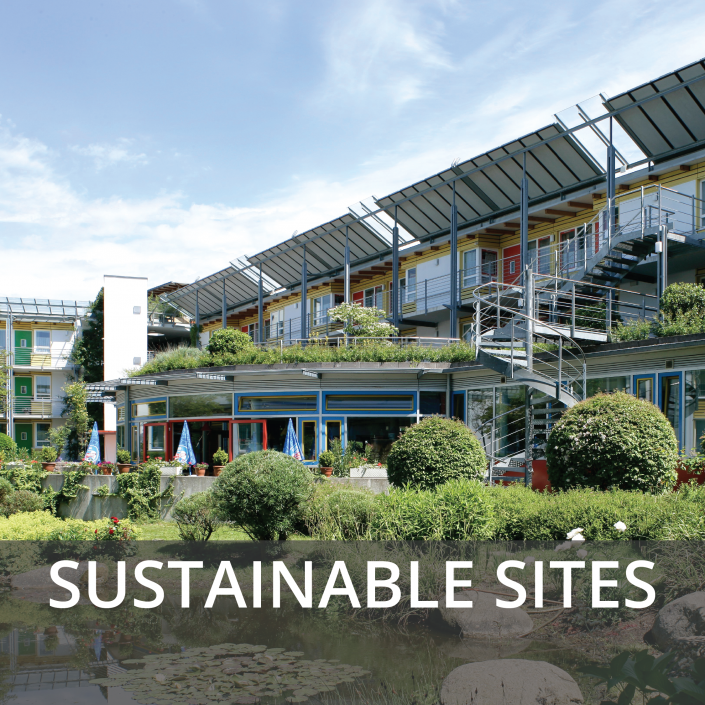
Embracing a nature-based approach to landscaping and habitats, will sequester carbon, enhance biodiversity, and build resilience against climate change.
Implementing the following landscaping strategies, create beautiful, functional, and climate-resilient outdoor spaces that store carbon, contribute to a healthy environment, improve quality of life, and provide opportunities for connection with nature:
- Plant diverse, multi-layered native species that replicate the natural ecosystems found in your region. Incorporate a variety of heights, forms, and root structures to create resilient landscapes.
- Replace high-maintenance lawns with native, drought-tolerant grasses and meadow species. Maximize plant cover using spreading groundcovers and self-seeding annuals and perennials to enhance carbon capture.
- Choose species adapted to predicted future climate changes in your region. Consider temperature, precipitation, and extreme weather events when selecting plants. Specify smaller tree stock sizes, as younger trees tend to adapt more readily to changing environments.
Select plants that require minimal pruning or mowing (once or twice a year) and avoid high-maintenance options like hedges. Allow landscapes to evolve naturally over time, improving resilience and minimizing maintenance.