 Jinhua Yanweizhou ParkTurenscapeJinhua, Zhejiang, China
Credit: Kongjian Yu/Turenscape

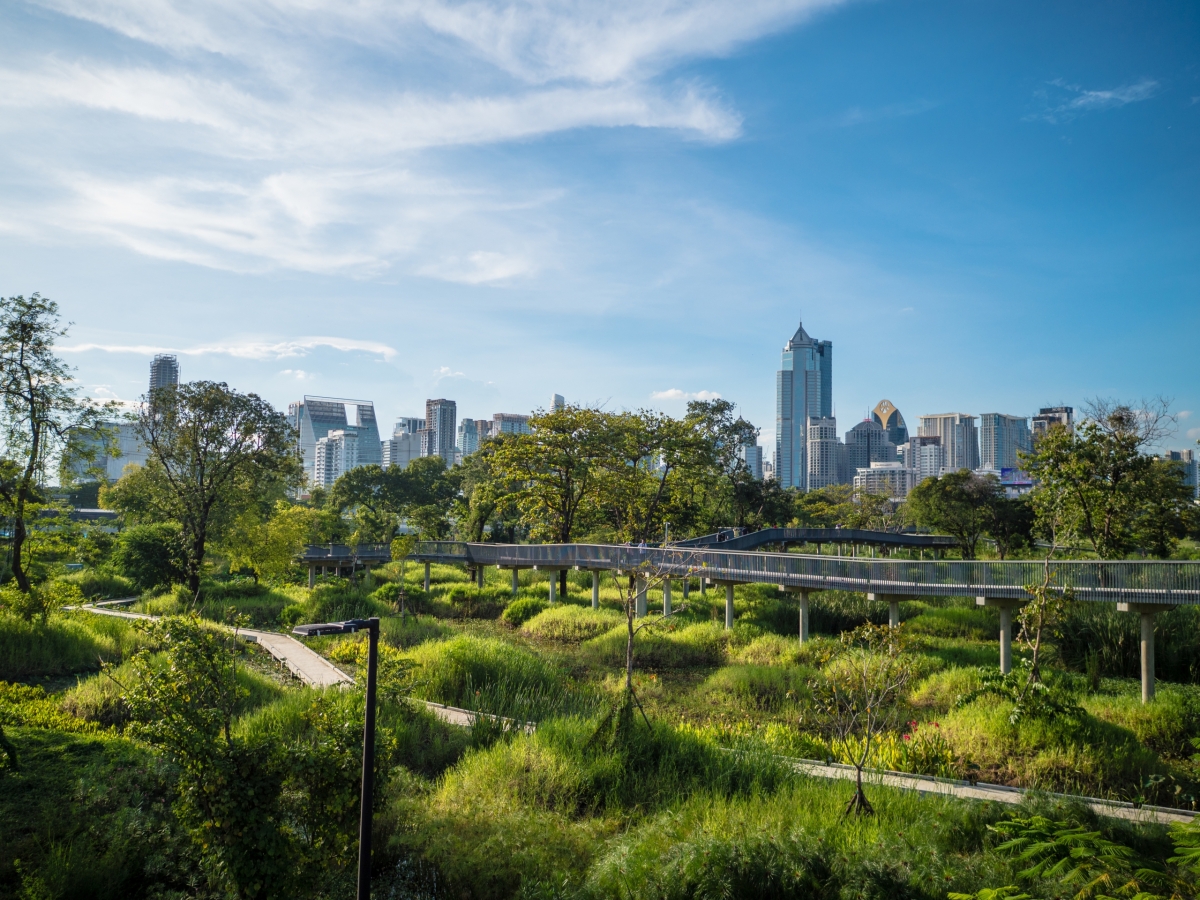
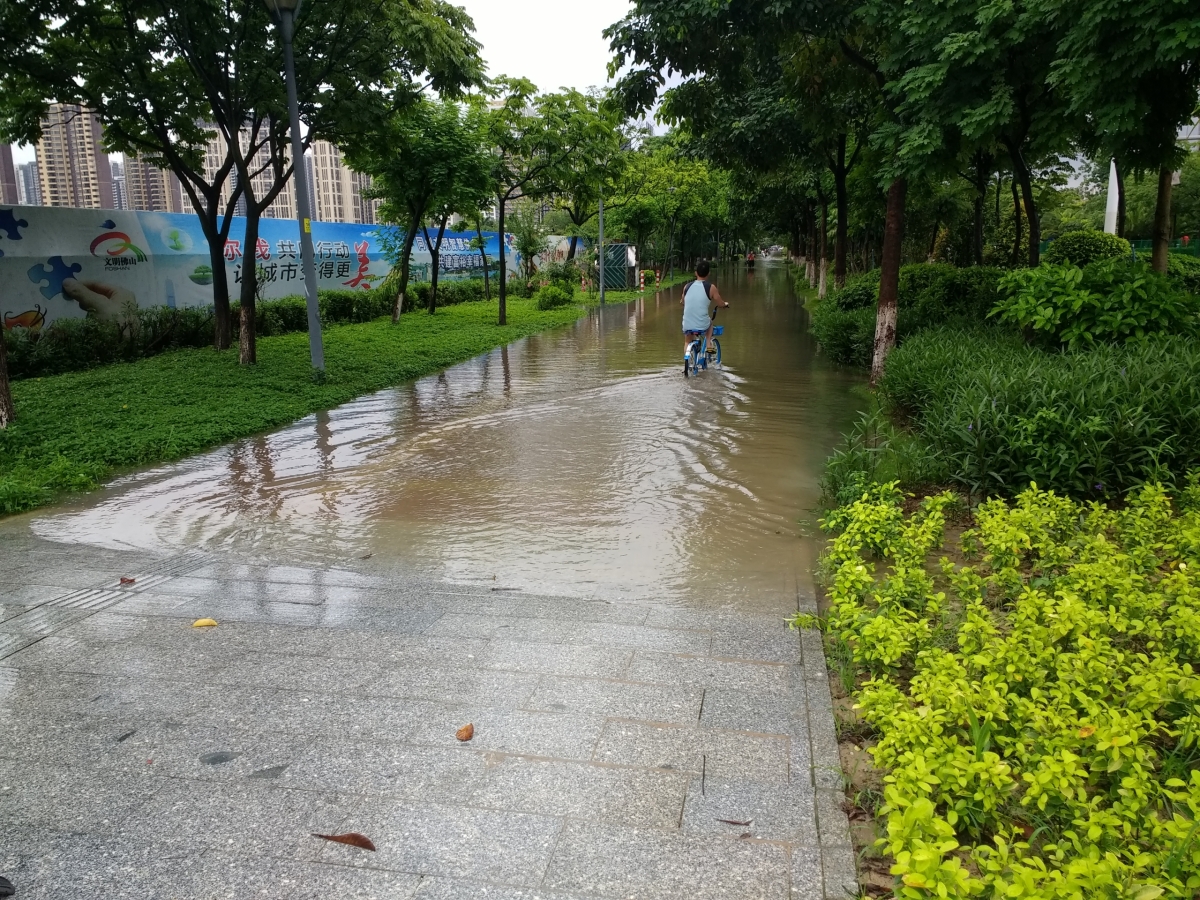



As rapid urbanization and intensification of extreme rainfall increase the risks of exceeding the design capacity of existing urban water systems, understanding “Sponge City” and nature-based infrastructure options to reduce the risk of flooding and alleviating strain on traditional drainage systems is essential.
Implementing effective options that can manage stormwater and promote long-term urban resilience include the following:
- Ensure that at least 40% to 50% of the total surface area within a new development is permeable. This includes green spaces, permeable pavements, green roofs and walls, rain gardens, parkland, meadows, recreation areas, street trees and bio-swales.
- Prioritize making high-traffic areas, such as parking lots, sidewalks, and plazas, permeable to allow rainwater to infiltrate the ground.
- Preserve and restore wetlands, rivers, and other natural waterways, and increase riparian and shoreline buffers and waterway vegetation.
- Enhance water retention systems such as ponds and reservoirs.
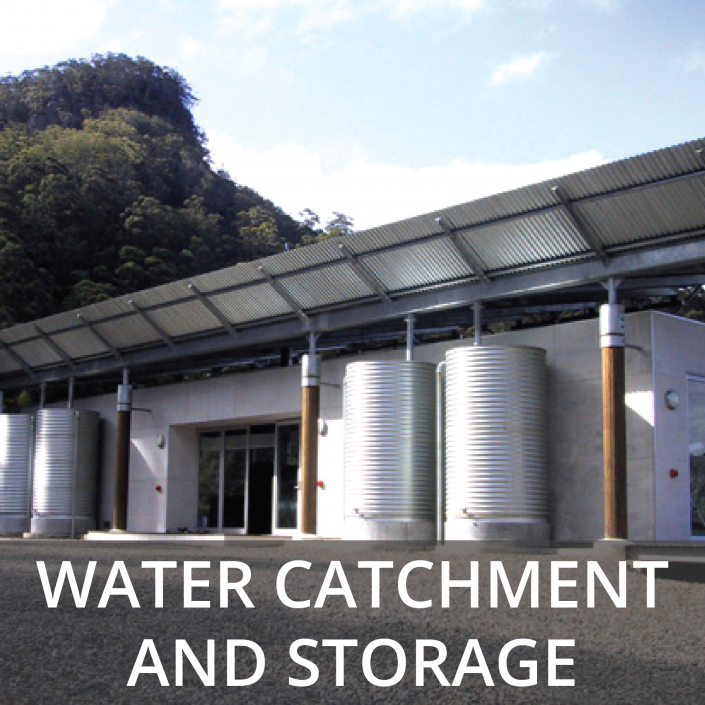
- Encourage rainwater harvesting, water-efficient landscaping, and incorporate biotreatment water catchment and storage.
- Consider the local climate, soil type, and hydrological conditions when designing the percentage of permeable surfaces.
- Incorporate climate change projections and future rainfall patterns into infrastructure planning.