 Brandywine Reality Trust
ZGF Architects
King of Prussia, Pennsylvania
Credit: Halkin Mason Photography, Courtesy of ZGF Architects


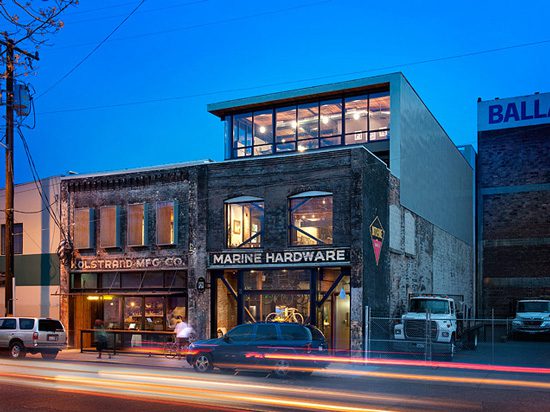


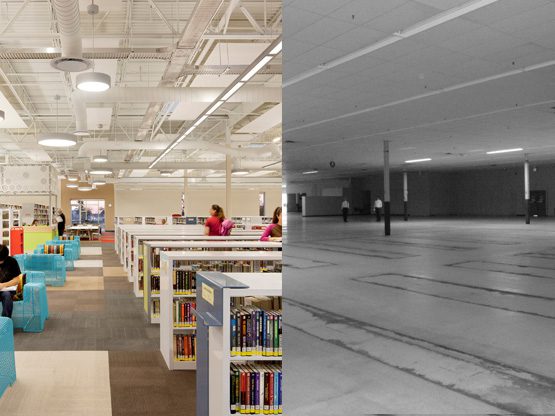
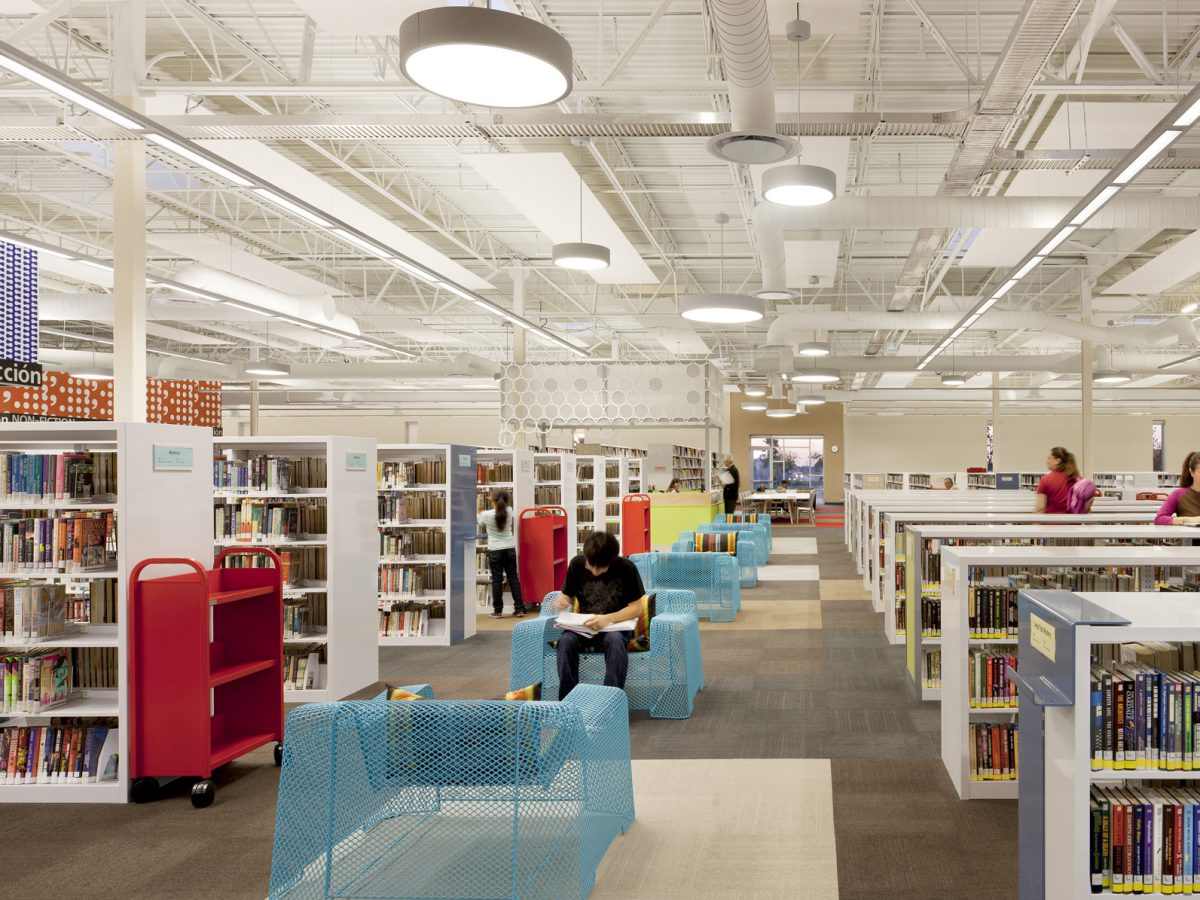
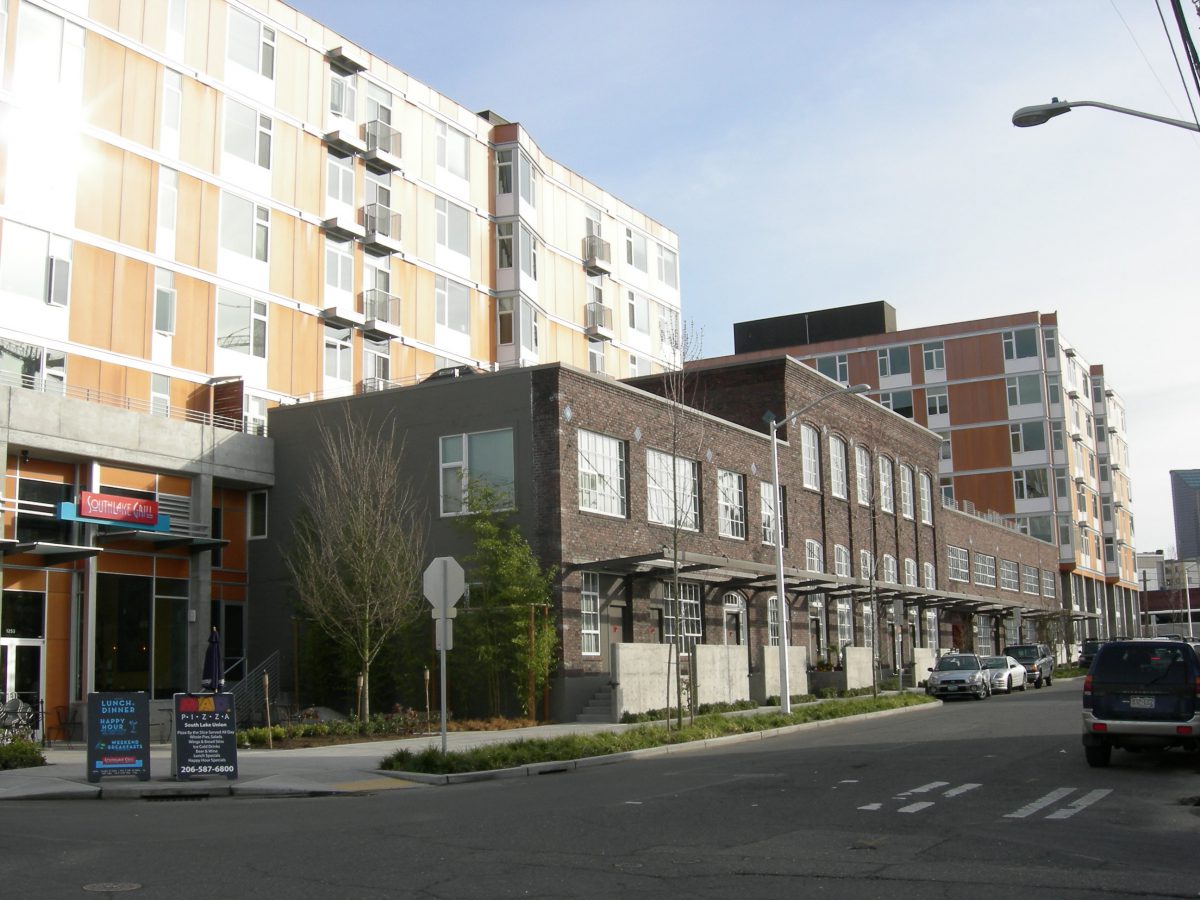
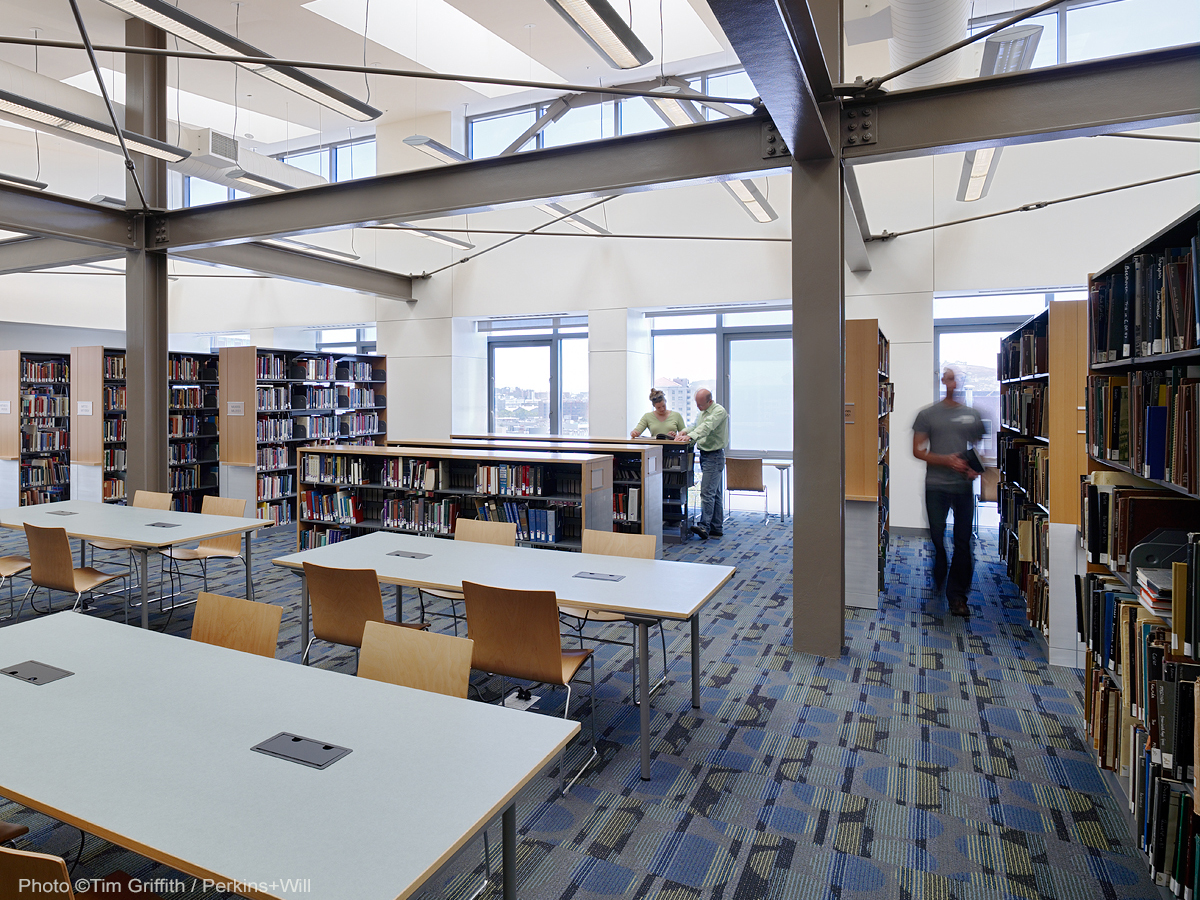
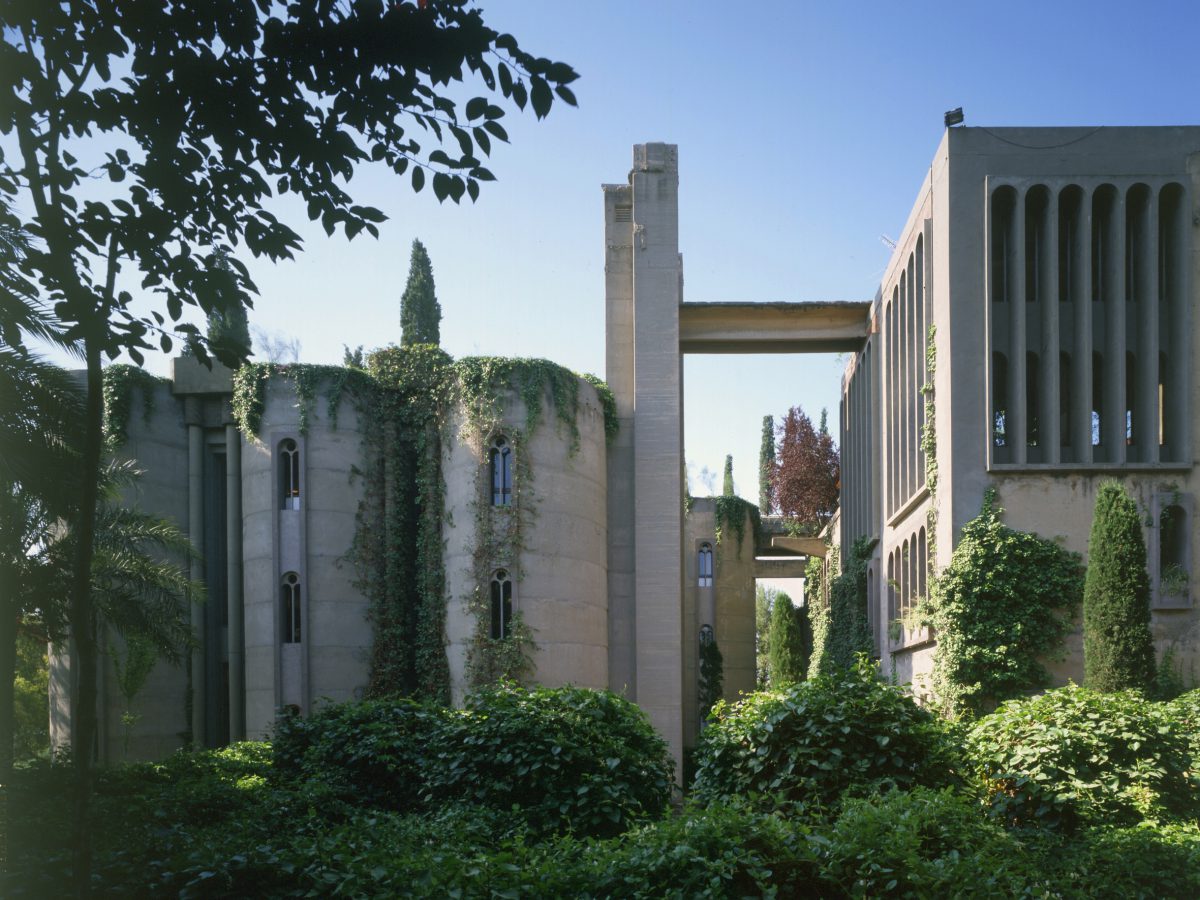


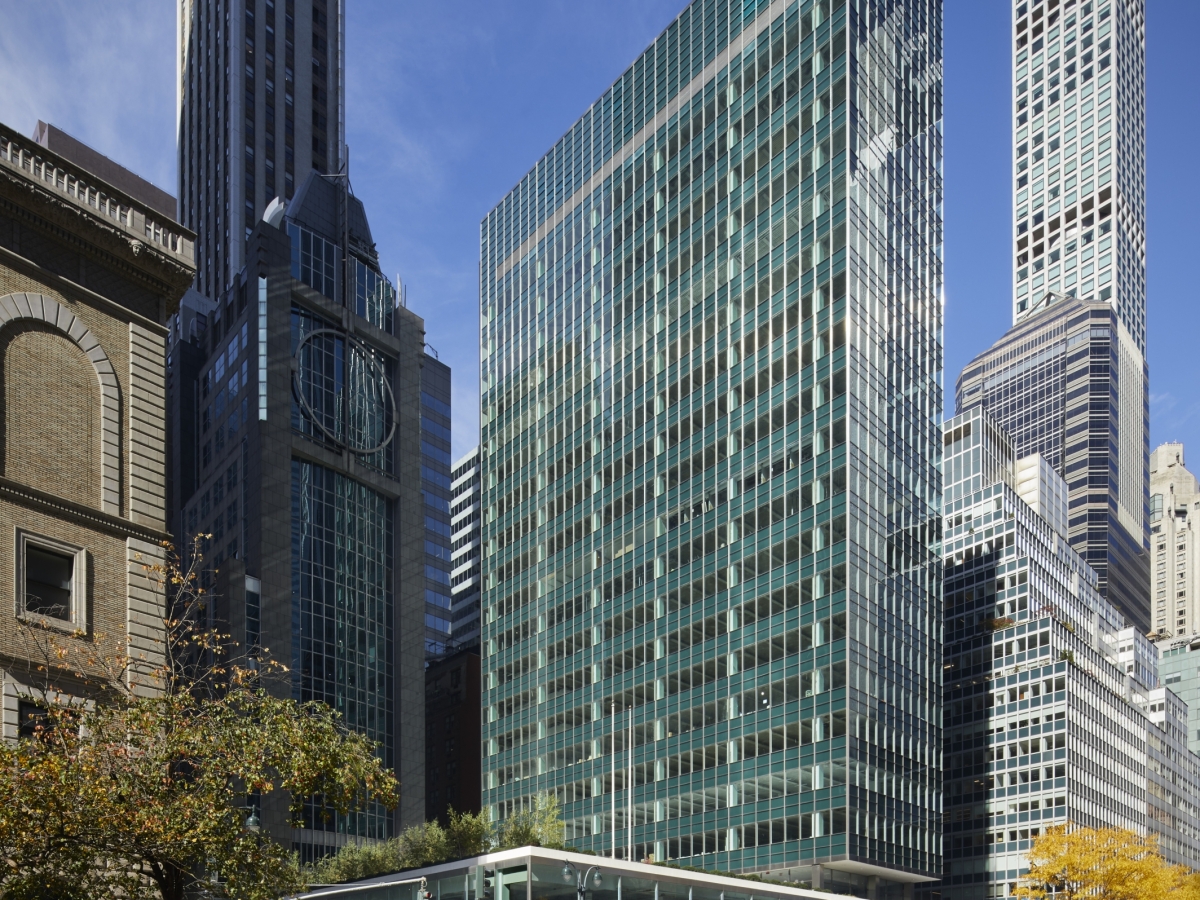










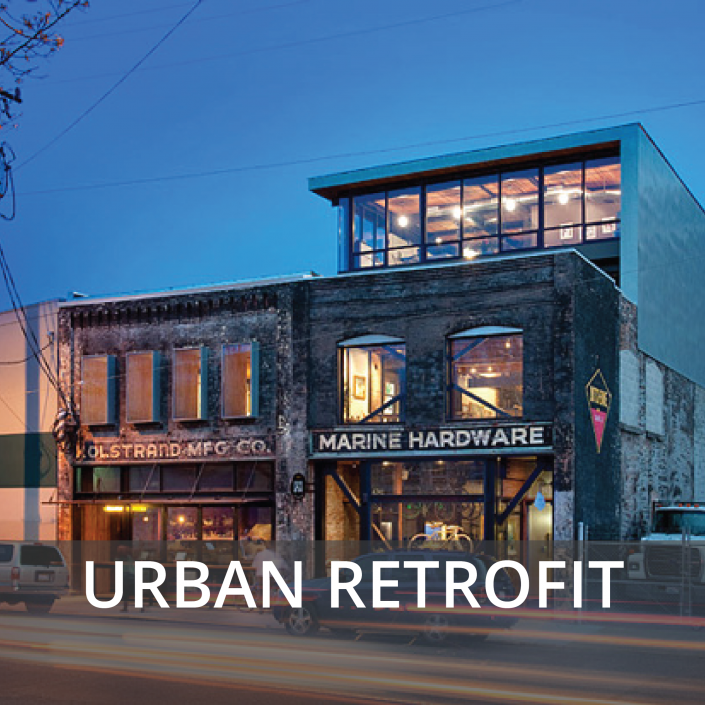
Reusing, adapting, renovating, and restoring existing buildings instead of constructing new ones, can extend a buildings’ useful life, improve energy efficiency and resilience, reduce embodied and operational emissions, and preserve resources and historic places.
In most cases, the greenest building is the one that already exists. Planning and design strategies for leveraging existing buildings:
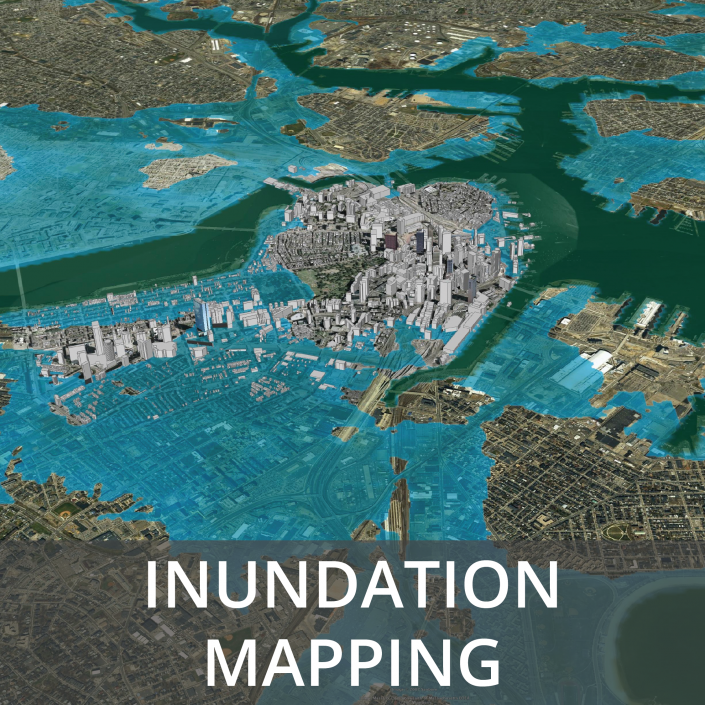
- Conduct a vulnerability and environmental assessment – determine potential hazards and climate-related impacts and develop strategies that increase building, site, and infrastructure resilience.
- Estimate and compare the embodied, operating, and avoided carbon impacts and benefits of upgrading existing buildings vs. replacing them, using the CARE Tool.
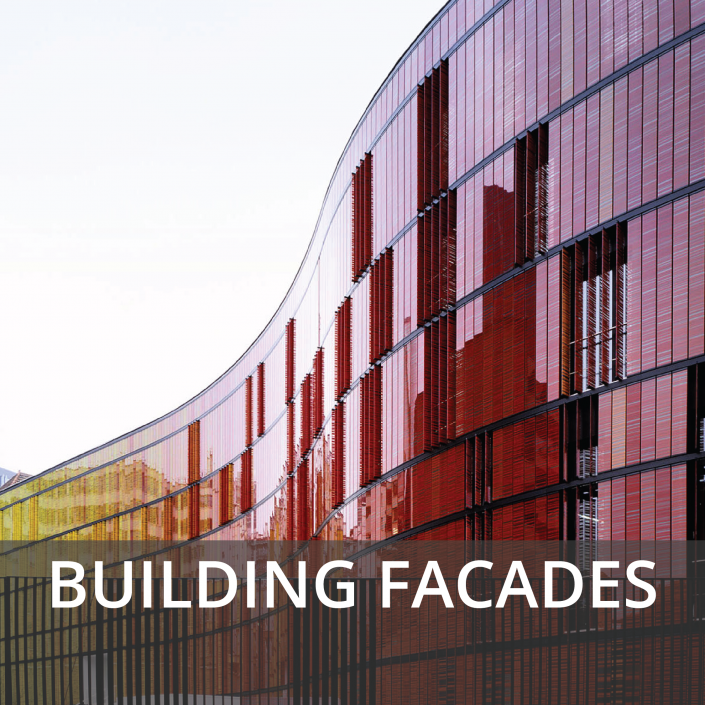
- Address energy consumption – evaluate building energy loads for opportunities to reduce energy use by efficiency improvements and technologies.
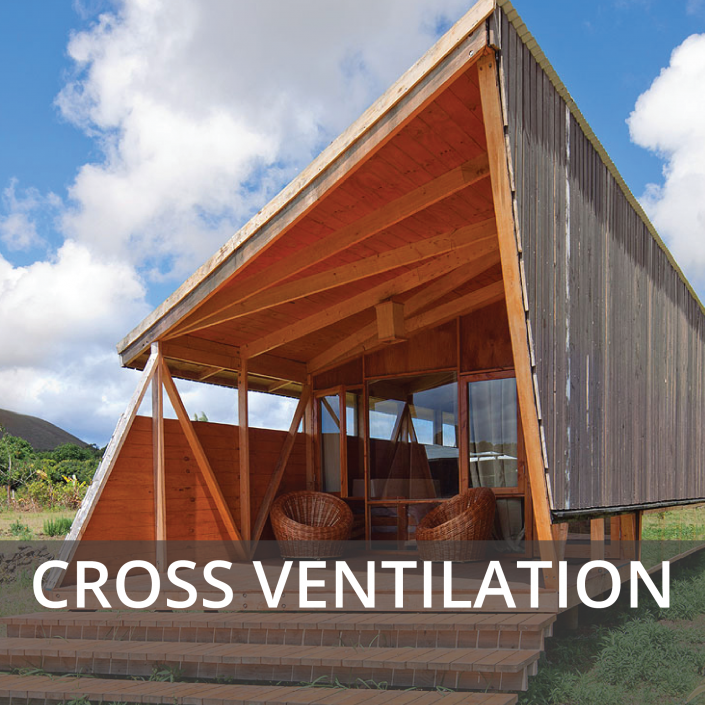
- Restore passive systems – many older buildings incorporated passive strategies such as tall double hung windows for daylighting and natural ventilation, and masonry walls to moderate indoor temperature swings.
- Specify local low carbon, recycled and salvaged materials, and materials that naturally sequester and store carbon.
- Switch from fossil fuel powered equipment to efficient all-electric systems, and integrate on-site renewables when feasible.