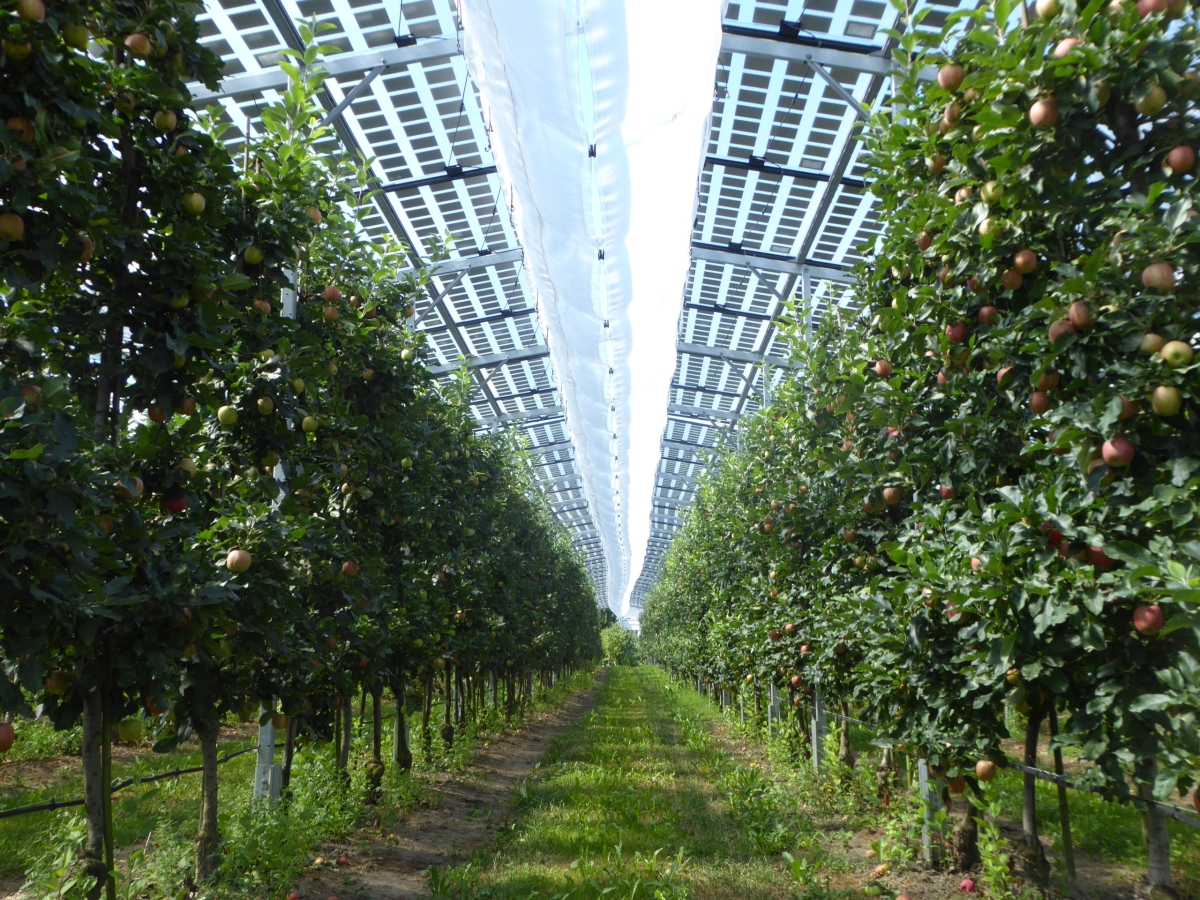
 Agri-PV system with fruit growing
Kressbronn am Bodensee, Germany
Credit: Creative Commons

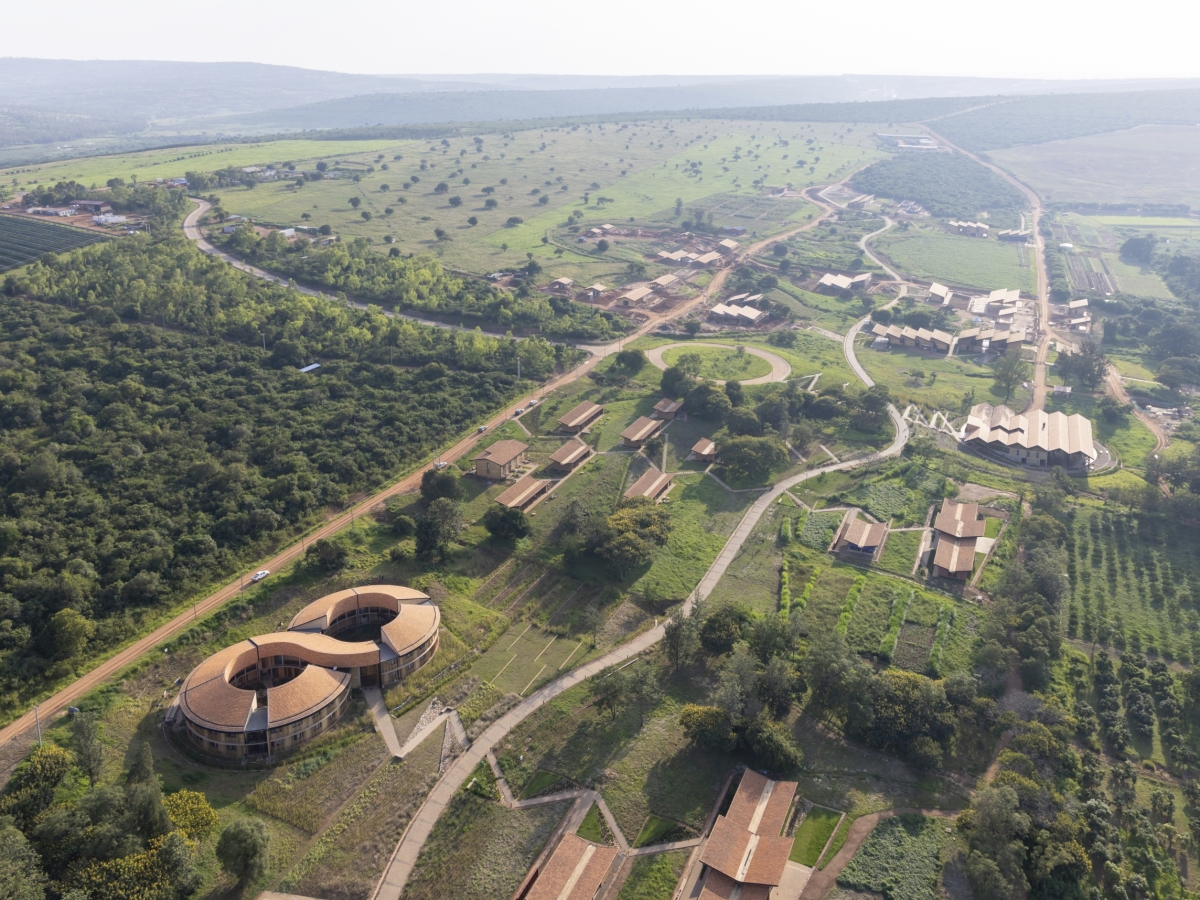




As urban populations swell, the need for sustainable food systems intensifies. Regenerative peri-urban agriculture offers a powerful framework for transforming food production in our cities and surrounding areas.
Regenerative peri-urban agriculture, rooted in Indigenous and traditional knowledge, offers a powerful solution for sustainable food systems. By focusing on soil health and ecological balance, it provides numerous benefits:
- Enhanced Soil Health: Practices like no-till farming, cover cropping, managed grazing, and composting build soil organic matter, improving its structure, water retention capacity, and ability to sequester carbon.
- Increased Biodiversity: Integrating perennial staple foods and diverse annual crops, along with agroforestry practices like silvopasture, tree intercropping, riparian buffers, and biodiverse windbreaks, creates ecosystems that support pollinators, beneficial insects, and wildlife.
- Improved Food Security: Local food production strengthens regional food security and reduces reliance on long-distance transportation (“food miles”).
To further bolster sustainability:
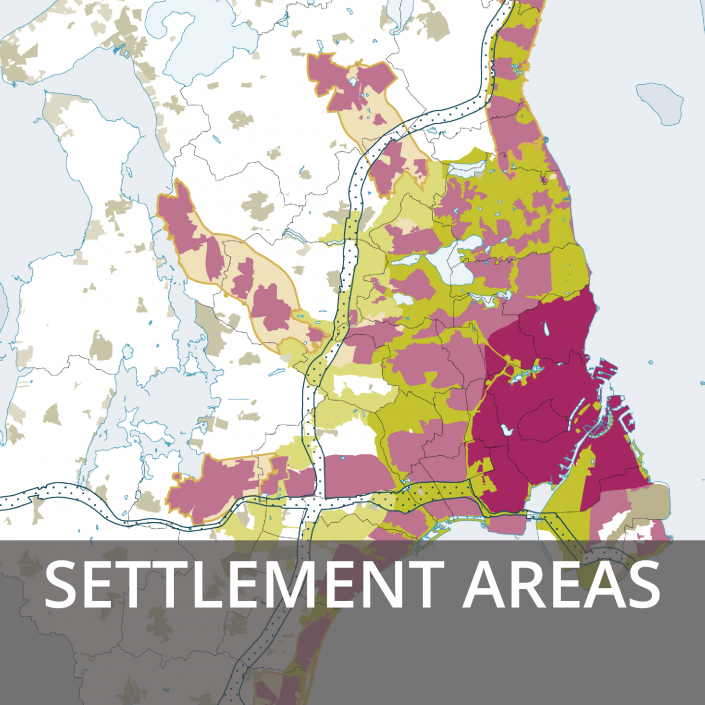
- Protect peri-urban farms: Policies should prioritize protecting these lands from urban sprawl.
Integrate renewable energy: Where feasible, windmills, agrivoltaics, or solar arrays can provide shade, conserve moisture, offer some protection from extreme weather, and generate income for farmers.