 District 56 Tallwood 1
ASPECT Structural Engineers; Jack James Architect
Langford, BC, CanadaCredit: ASPECT Structural Engineers

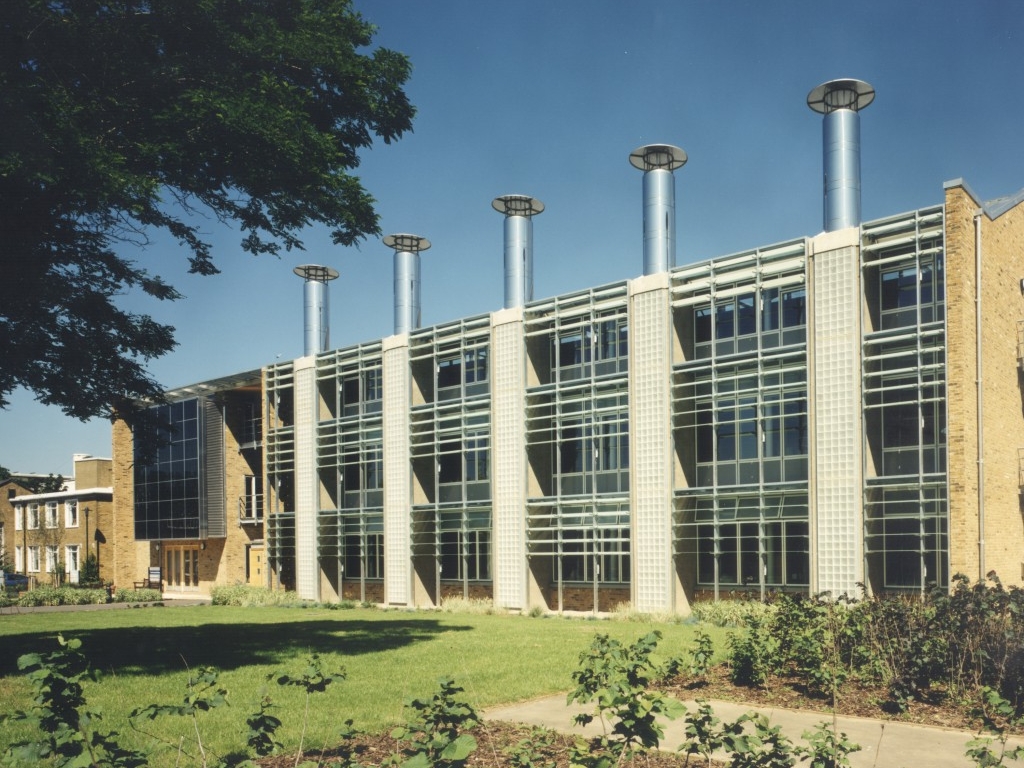
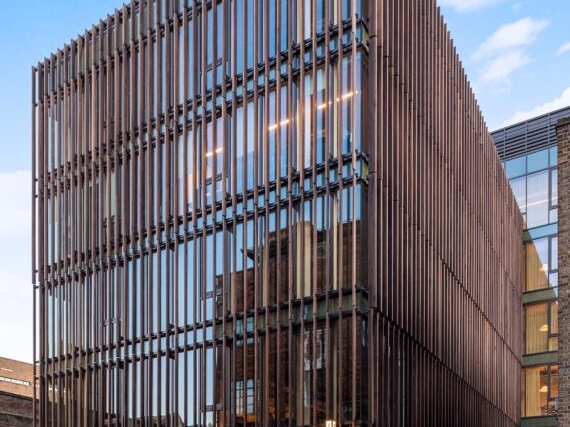







Designing buildings, landscapes, and infrastructure for easy disassembly enables material reuse, reducing raw material usage and minimizing the environmental impacts of demolition, waste disposal, construction, and embodied carbon from producing new materials.
The key design principles behind this design approach are centered around creating a built environment that can be easily taken apart, with the goal of recovering and reusing as many materials as possible. Core strategies include:
- Deconstruction planning – incorporating disassembly considerations early in the planning and design phase of a project.
- Modular design – using standardized, interchangeable components that can be easily assembled and disassembled.
- Reversible connections – relying on exposed mechanical fasteners that enable components to be easily disconnected without damage, rather than permanent bonds.
- Material selection – selecting materials that are easy to salvage, recycle, or reuse.
- Separate systems – separating mechanical, electrical, plumbing, and IT systems from one another and from the building envelope to ensure maintenance, or replacement without damage to the building.
- Documentation – maintaining detailed records of building, landscape, and infrastructure design, materials, and disassembly process.