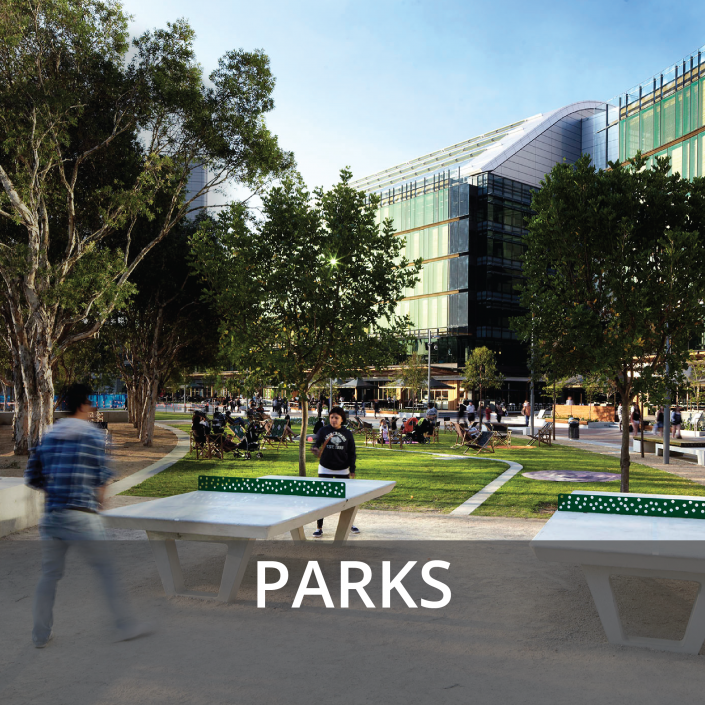
 Bay Meadows Persimmon ParkCMG Landscape ArchitectureSan Mateo, California, USA
Credit: Kristen Loken





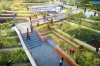
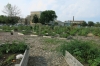
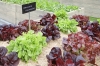
Urban gardens, from ground-level plots to rooftop oases, provide a multitude of benefits, including food security, improved air quality, biodiversity support, economic opportunities, heat-island mitigation and significant social improvements.
Incorporate urban gardens, in all its forms, for healthier, more sustainable, and vibrant cities.
Urban gardens:
- Increase access to fresh, local produce.
- Act as natural air filters, improving urban air quality.
- Provide habitats for pollinators and wildlife.
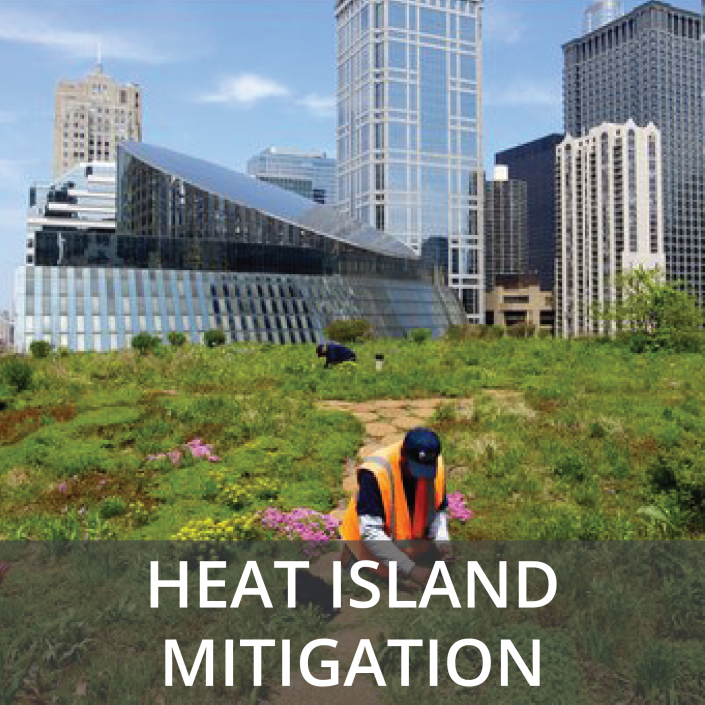
- Combat the urban heat island effect, reducing temperatures and energy consumption for cooling.
- Foster social interaction and shared responsibility.
- Create jobs, support local economies, and provide income-generating opportunities.
Rooftop Gardens:
- Utilize underused space for food production and green spaces.
- Reduce building energy needs by mitigating temperature fluctuations.
- Important Considerations:
- Assess the structural requirements and carbon footprint of building materials.
- Evaluate local climate and rainfall patterns to determine gardening feasibility.
Expanding Green Spaces:
- Utilize terraces, patios, and small spaces for microgardens to cultivate herbs, vegetables, and small fruits.
- Transform vacant lots into collaborative community gardens.
- Create Urban Food Forests that mimic ecosystems by layering diverse edible plants that sequester carbon and support biodiversity.